London student accommodation at a glance
London is the biggest study destination in the UK, and that scale is the first thing to plan around. London Higher, the membership body for the capital’s institutions, reports “almost 50 universities and higher education colleges” and, as of January 2023, “over half a million students” living and studying across the city. With that much choice, the postcode you pick decides your daily commute, your weekly budget and the kind of student community on your doorstep.
Right now Mystudenthalls.com lists 61 live London properties, from budget student flats to premium studios. Weekly rents start at £199 and reach £679 at the top of the central studio market, so the floor-to-ceiling spread suits very different budgets, and student accommodation in London under £200 a week is genuinely available rather than a myth. The cheapest live rooms sit at The Valentine in Ilford, Press House in Woolwich and YourTRIBE Deptford, all from £199 a week. The premium end is anchored by iQ Bloomsbury at £679 a week, a few minutes from the UCL campus. For context, the Unipol and HEPI “Priced Out? The Accommodation Costs Survey 2024: London Edition” found that the average annual rent for purpose-built student housing in London in 2024-25 was £13,595, equal to £295 a week for just over 45 weeks, which means a large share of the live listings here come in below the city average.
Private student halls or university accommodation?
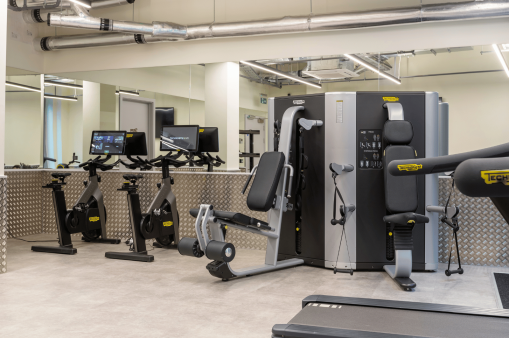
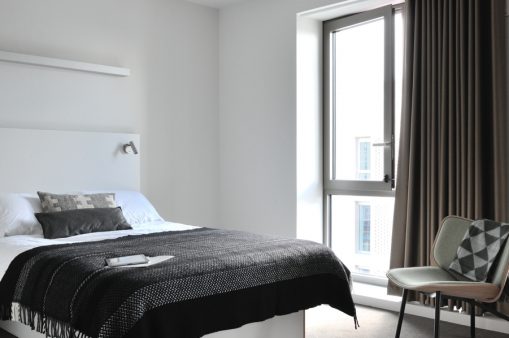
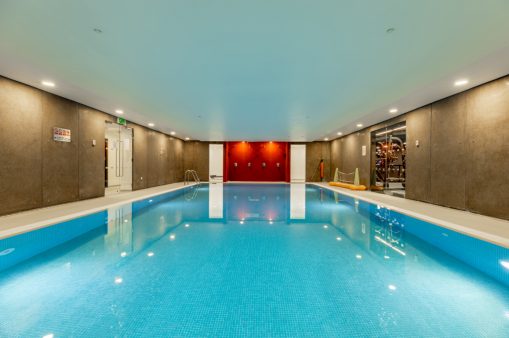
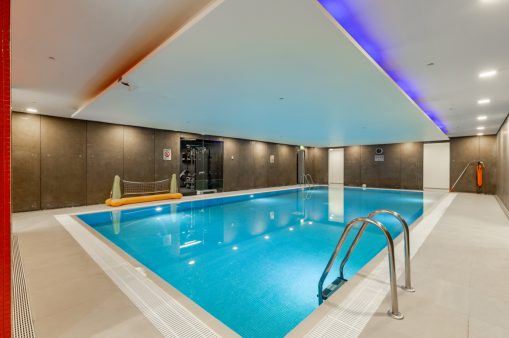
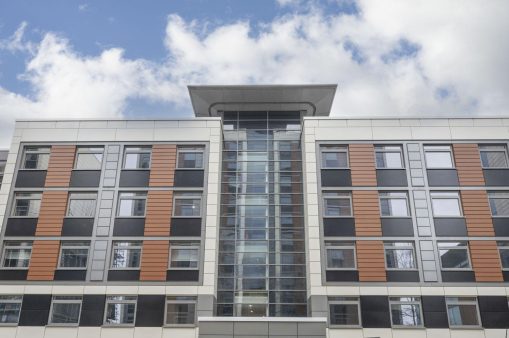
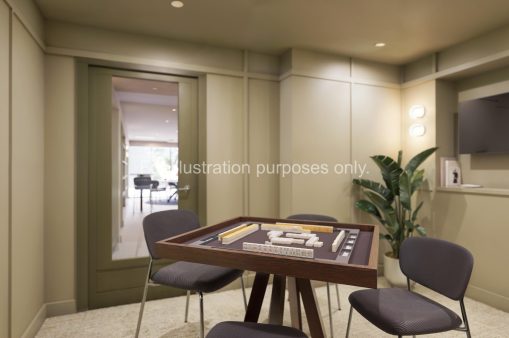
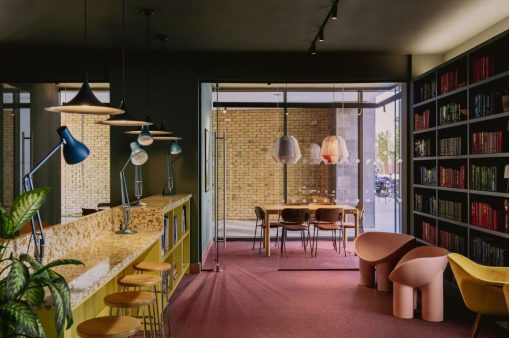
Everything on this page is private student accommodation in London. These are purpose-built and co-living buildings run by professional providers rather than by the universities themselves, which means any student at any London institution can book one, in any year of study. Private student halls tend to come with more in the rent than university-run rooms, with gyms, cinema rooms, study lounges and on-site teams common, and you choose your area instead of being allocated one. University accommodation usually prioritises first years and ties you to that institution’s buildings. If you want the pick of the whole city, the private route is the flexible one.
Cheapest areas for London students
If cheap student accommodation in London is the goal, look at the outer zones and let the transport network carry the commute. Some of the cheapest student halls in London sit in Zone 2 to Zone 4 neighbourhoods that consistently undercut Zone 1 while staying well connected.
- Wembley (northwest). A cluster of lower-cost options including Felda House from £227, Grand Felda House from £242 and Scape Wembley from £284. Wembley Park station puts central London inside a short ride on the Jubilee and Metropolitan lines.
- Ilford and East London.The Valentine from £199 sits next to Gants Hill, and the Elizabeth line through nearby Ilford has cut journeys west dramatically.
- Stratford and Canning Town (east).ARK Canning Town from £275 taps into one of the best-connected corners of the city. Stratford alone carries the Central, Jubilee, Elizabeth, DLR and Overground lines.
- Woolwich and Greenwich (southeast).Press House from £199 sits on the Elizabeth line, handy for the University of Greenwich and the University of East London.
- Tufnell Park and Highbury (north).iQ Tufnell House from £329 and iQ Highbury from £310 give a leafy, calmer student residence base on the Northern and Victoria lines.
Best areas for London students
Beyond the budget picks, a handful of neighbourhoods earn their reputation on character as much as cost.
- Shoreditch, Whitechapel and Aldgate (east). Street art, markets and nightlife, plus the Elizabeth line at Whitechapel. Look at iQ Shoreditch from £443, iQ Hoxton from £389, Scape Shoreditch from £437 and The Curve, London from £361.
- King’s Cross and Bloomsbury (central). The academic heart of the city, and also its priciest. The Unipol and HEPI 2024 survey notes that London’s dearest rooms, “mainly located around Bloomsbury and King’s Cross,” are private direct-let studios let on 51-week contracts at rents of up to £800 a week. More moderate options include Host King’s Cross from £440 and Urbanest King’s Cross from £412, both minutes from campus libraries.
- Bankside, Southwark and London Bridge (central south). Riverside living near the Tate Modern and Borough Market. Consider iQ Bankside from £554, Chapter London Bridge from £495 and YourTRIBE Southwark from £314.
- Vauxhall, Nine Elms and Battersea (south). Newer riverside developments such as The Hub from £299, International Students House Vauxhall from £344.96 and urbanest Battersea from £339.
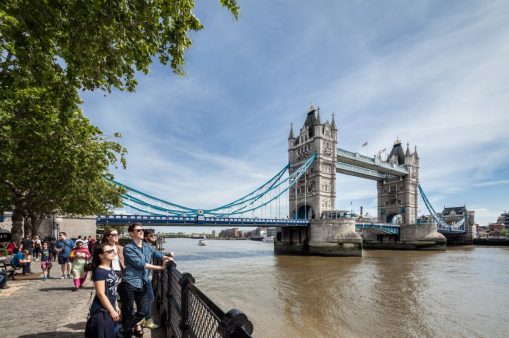
- Victoria and Tower Bridge (central). urbanest Victoria from £329 and Urbanest Tower Bridge from £341 trade a higher rent for a doorstep-to-everything location.
- Bermondsey and Canada Water (southeast). Student apartments here include Element Bermondsey from £299, Great Court from £315 and Scape Canada Water from £351.
Best areas by university
London’s university names are often abbreviated, but the campus location is what shapes your search. Each institution below links to its dedicated page on Mystudenthalls.com.
- University College London (UCL). The Bloomsbury campus on Gower Street sits in the centre. King’s Cross, Bloomsbury and Tufnell Park all work well; iQ Bloomsbury and Host King’s Cross are within walking distance or a short ride.
- King’s College London (KCL). With 40,870 students in 2024/25 across Strand, Waterloo, Guy’s, St Thomas’ and Denmark Hill campuses, KCL students cluster around the river. Chapter London Bridge suits the Guy’s campus; Waterloo and Southwark options serve the Strand.
- Imperial College London. Based in South Kensington. West London keeps you close; Scape Hammersmith, Ravenscourt House and the studio-led Francis Gardner Studios from £365 are practical bases.
- London School of Economics (LSE). Holborn and Aldwych, in the West End. Central options near King’s Cross or south of the river around Southwark balance proximity against price.
- City, University of London. Clerkenwell and Islington. iQ City and Herbal Hill Studios are close at hand.
- Queen Mary University of London. Mile End in East London. Scape Mile End is on the doorstep, with Stratford and Canning Town a short hop away.
- SOAS, University of London. Bloomsbury, sharing the same central cluster as UCL.
- University of the Arts London (UAL). A multi-site university with colleges across the city, so let your specific college decide the zone.
- Goldsmiths, University of London. New Cross in southeast London, well served by Bermondsey and Canada Water options.
- Kingston University. Southwest London. One Penrhyn Road from £295 is purpose-located for Kingston students.
- University of Westminster. A multi-campus university spanning Regent Street, Marylebone and Harrow; central and northwest options suit it well.
Other London institutions with dedicated pages include the University of Greenwich, the University of East London, London South Bank University, the University of West London, Middlesex University, Brunel University London, the University of Roehampton, London Metropolitan University and the federal University of London.
Getting around London
London’s transport network is what makes the outer-zone savings worth it, because a longer commute often costs far less than the rent gap it buys.
- The Tube. According to Visit London, citing TfL, the London Underground covers a total of 272 stations across 11 lines, so most properties sit within a short walk of a line. It is usually the fastest way across the city.
- The Elizabeth line. Opened in 2022, it runs east to west through the centre and has reshaped commutes from the eastern and southeastern zones. Per TfL’s May 2025 timetable, around 24 trains an hour run through the central section at peak times, roughly one every two and a half minutes in each direction between Paddington and Whitechapel.
- Buses, DLR and Overground. Buses run around the clock and are usually cheaper than the Tube, while the DLR and Overground fill the gaps the Underground misses, particularly in the east and southeast.
- Santander Cycles. Per TfL’s Santander Cycles terms and conditions under the tariff effective 6 April 2025, the bike access fee for a classic bike is £1.65 for a single ride of up to 30 minutes from any of the docking stations dotted across the city, a cheap option for short hops.
- The 18+ Student Oyster photocard. Per TfL, this photocard “enables you to buy Travelcards and Bus & Tram Pass season tickets at 30 per cent off the equivalent adult weekly and monthly fares,” for full-time students aged 18 and over living at a London address during term time, which adds up fast over an academic year.
The trade-off is simple: rent falls as you move out from Zone 1, but travel time and travel cost rise. A travelcard plus a longer commute from Zone 3 still often beats paying central rents.
What is included and the room types
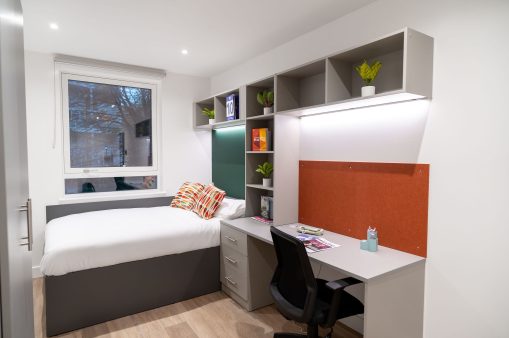
Most private student properties in London are sold on an all-inclusive basis, with bills included in the weekly rent. That typically covers electricity, gas, water, contents insurance and superfast wifi, which makes budgeting predictable because your rent is close to your total housing cost. A growing number of properties also fold in the TV Licence, which is otherwise a separate annual charge.
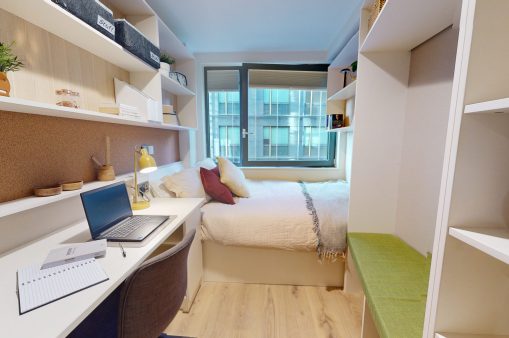
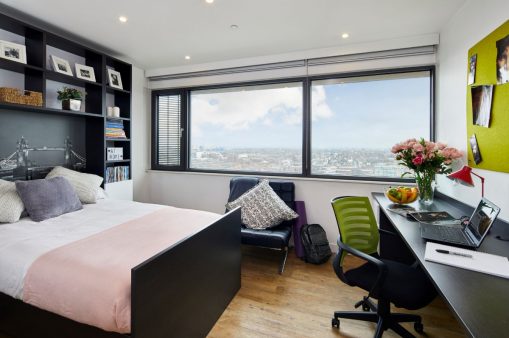
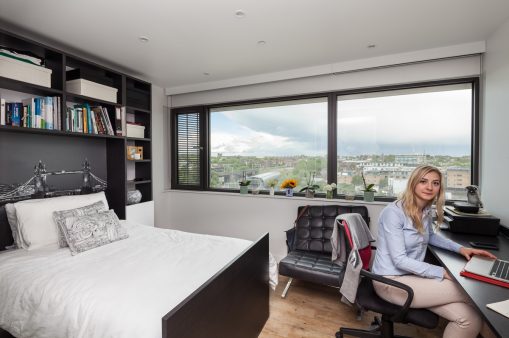
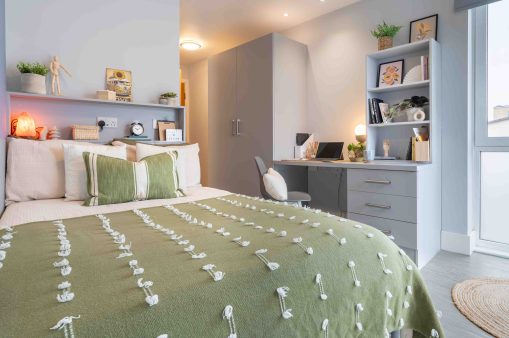
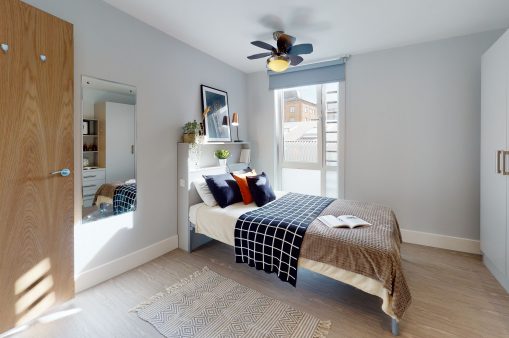
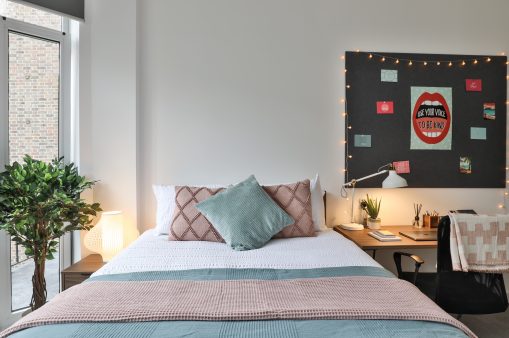
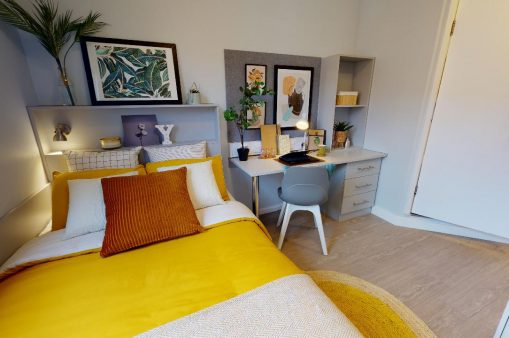
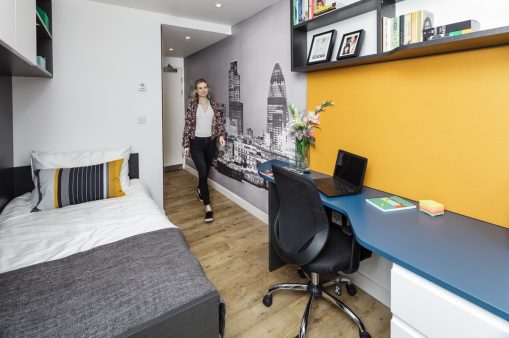
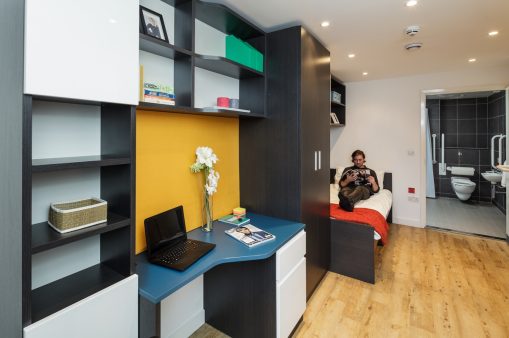
Whether you think of them as student flats or student apartments, there are three main room types to compare:
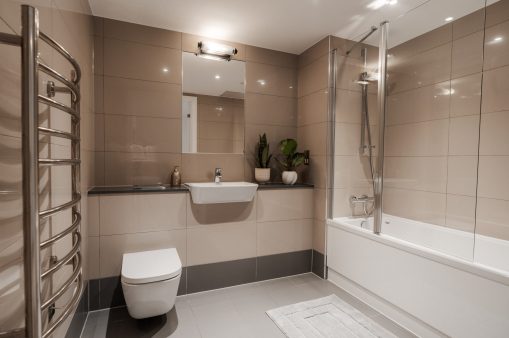
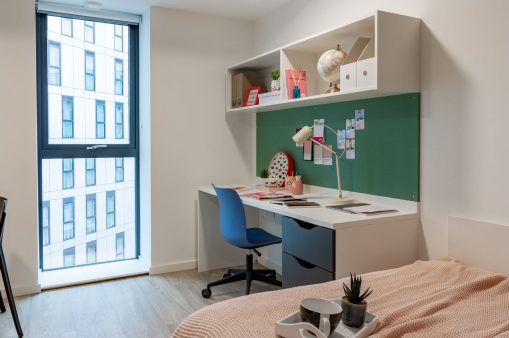
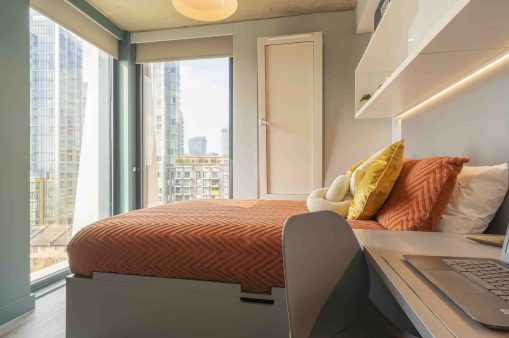
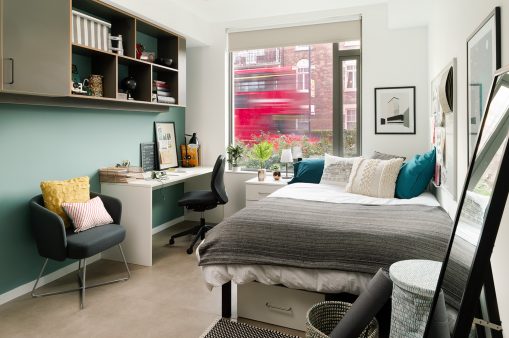
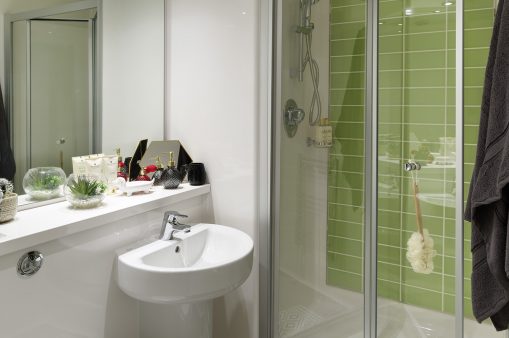
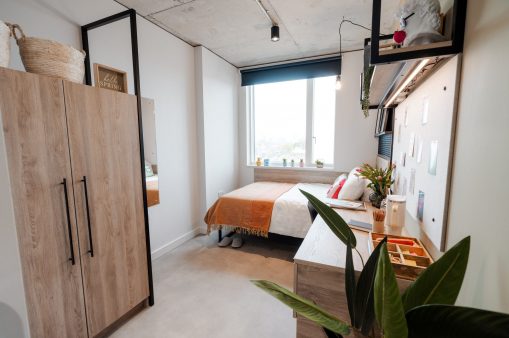
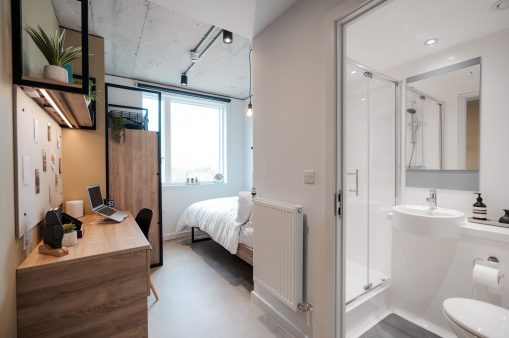
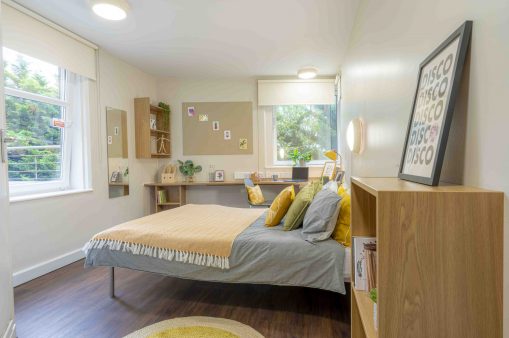
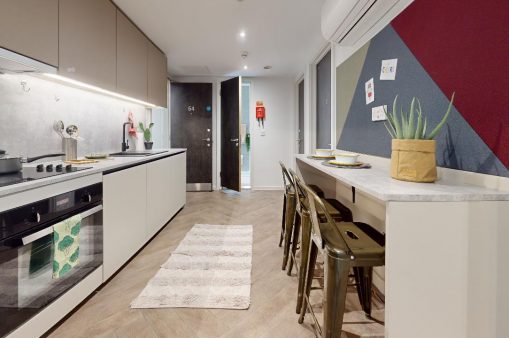
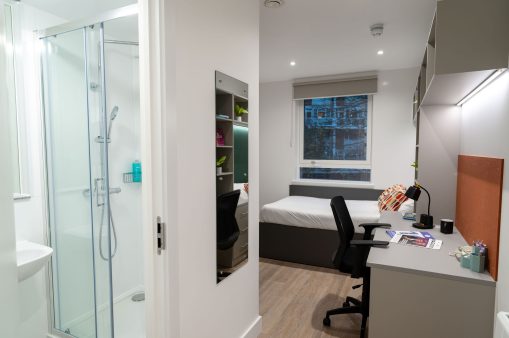
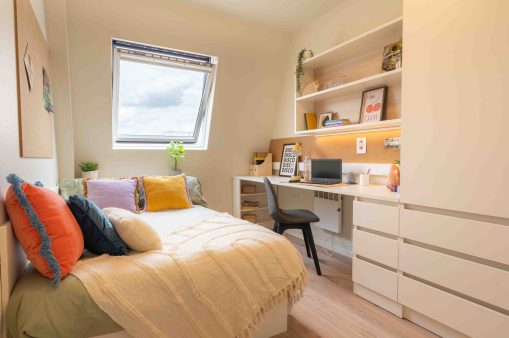
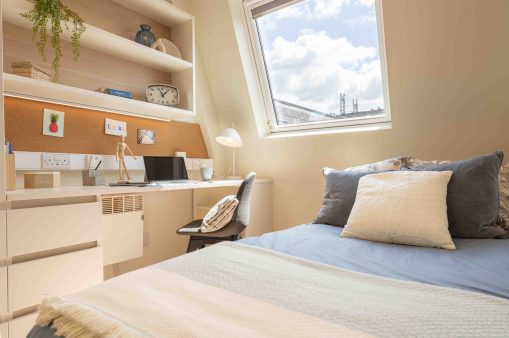
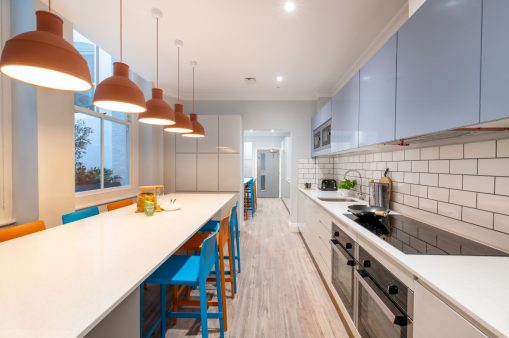
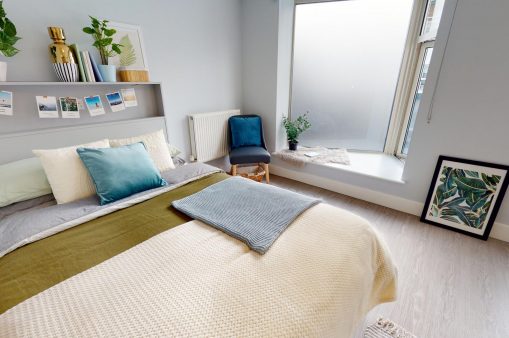
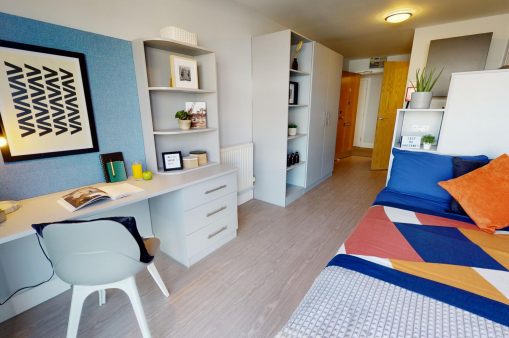
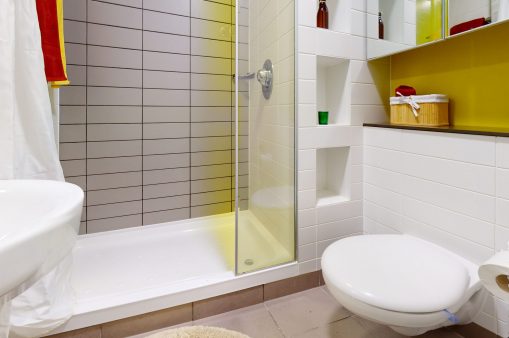
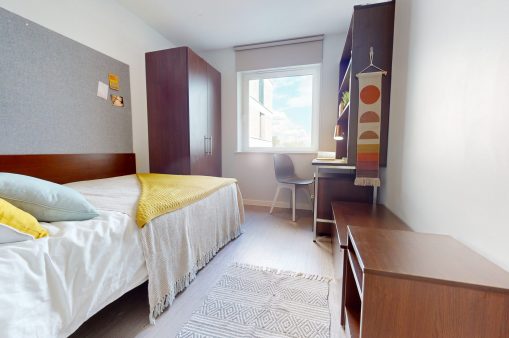
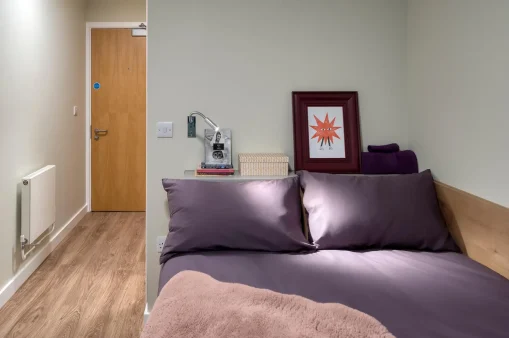
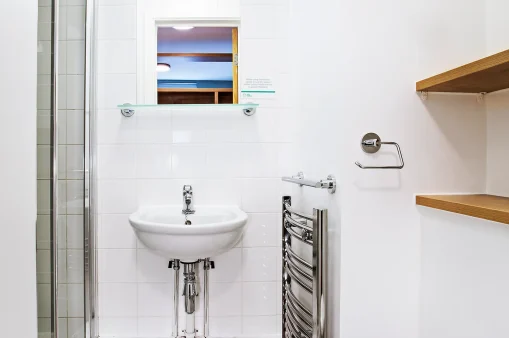
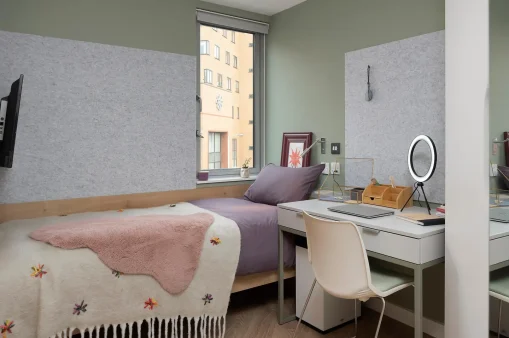
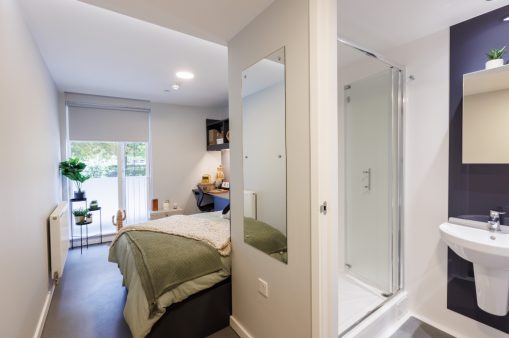
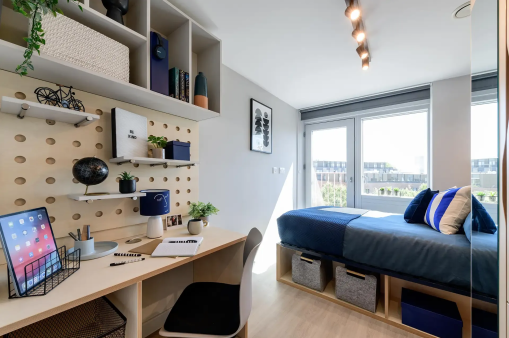
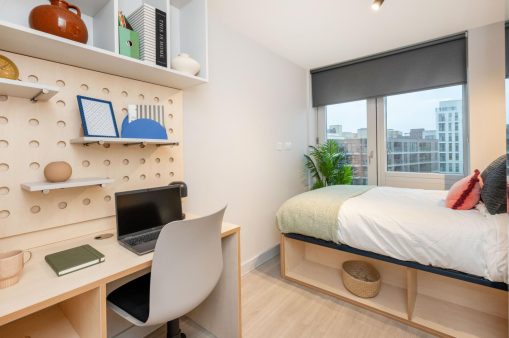
- En-suite rooms. A private bedroom and private bathroom, with a shared kitchen and lounge used with flatmates. The social middle ground, and usually the best value per week.
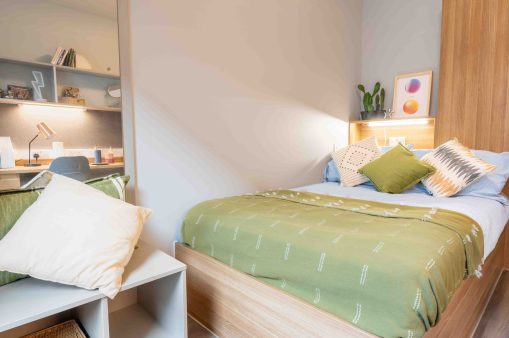
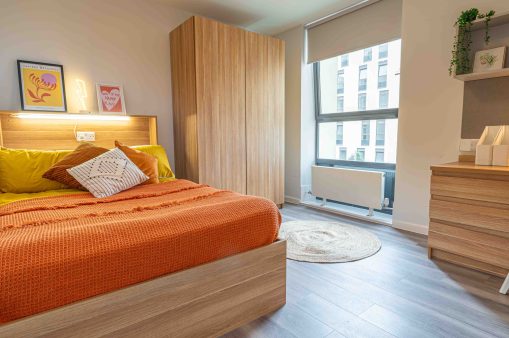
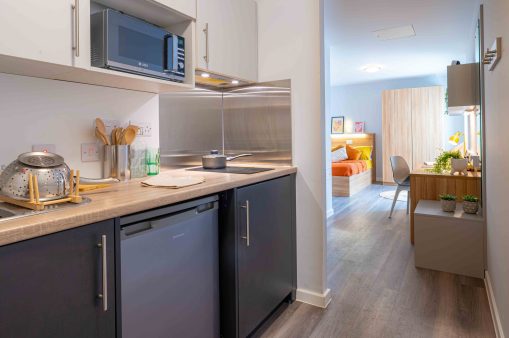
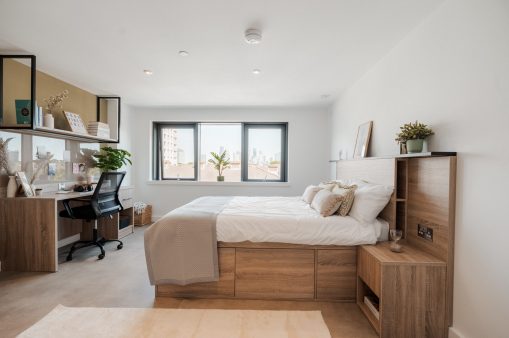
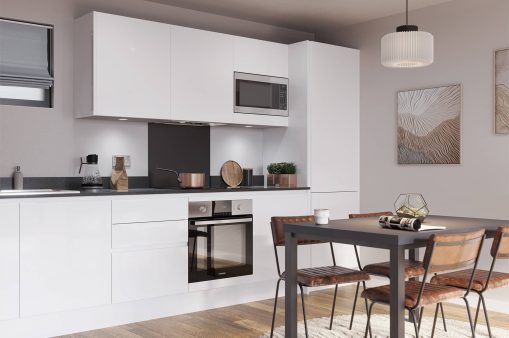
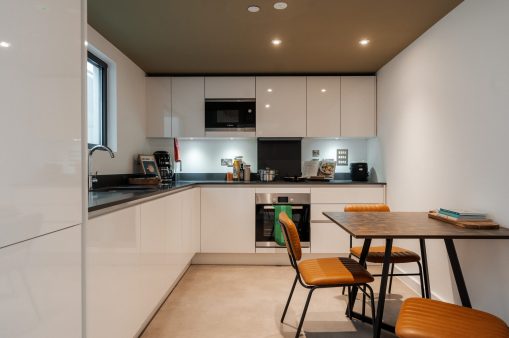
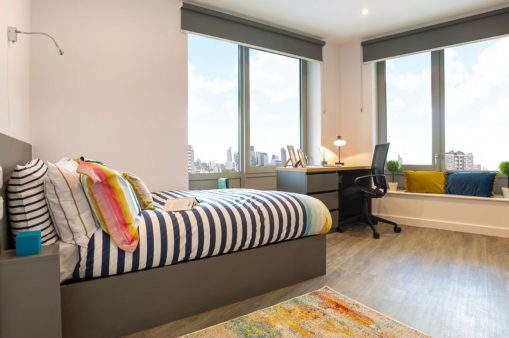
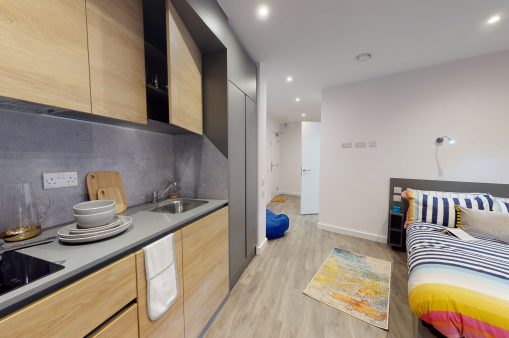
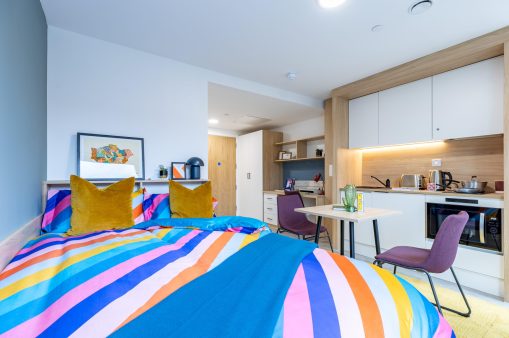
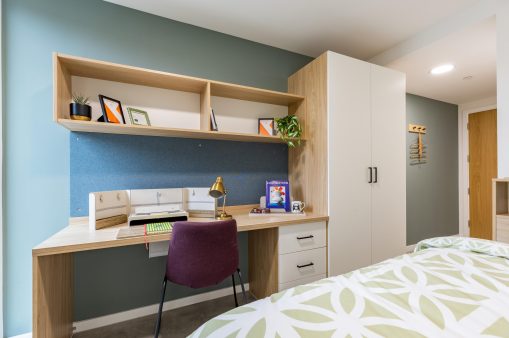
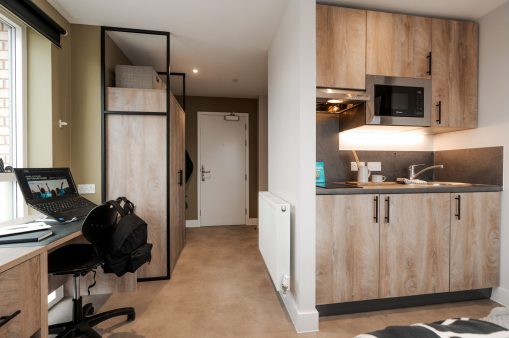
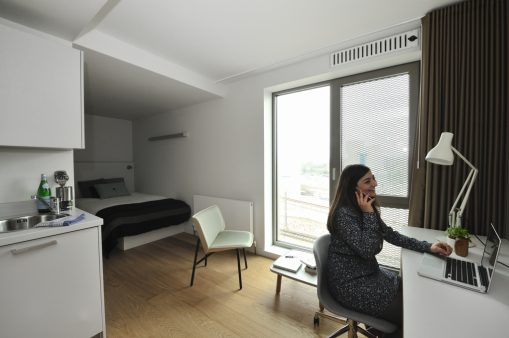
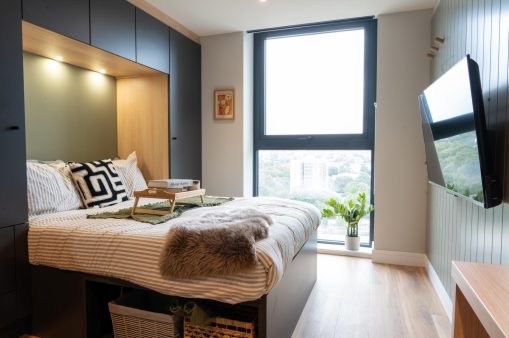
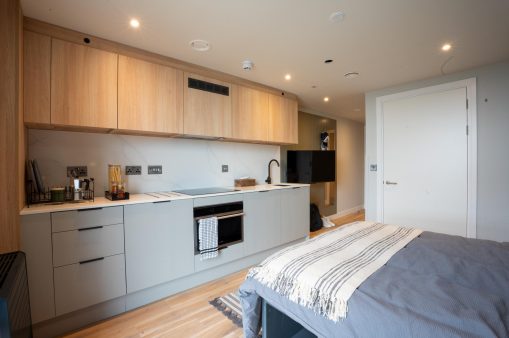
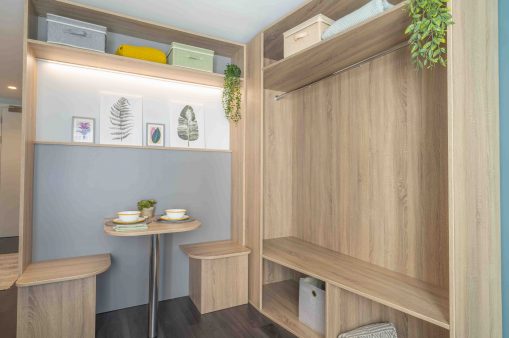
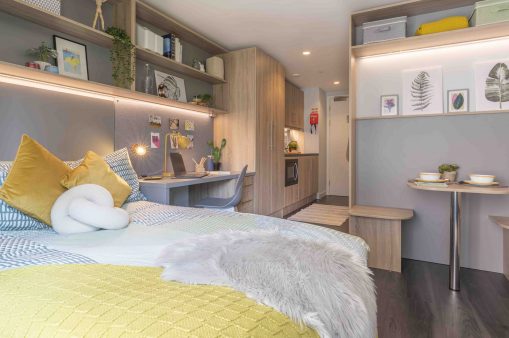
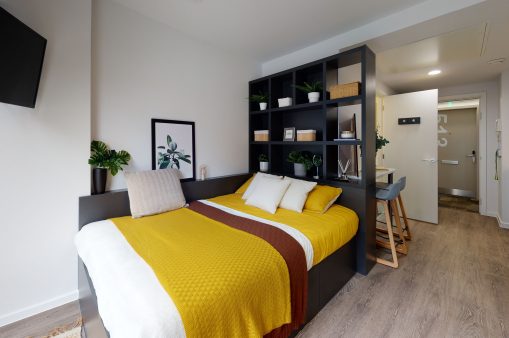
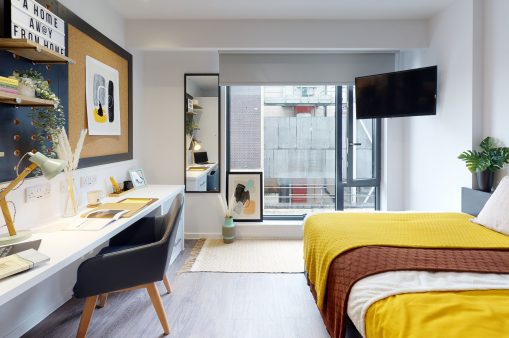
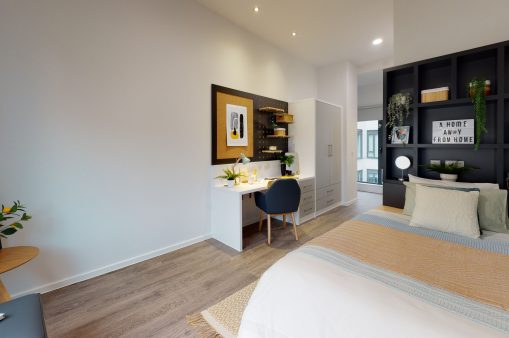
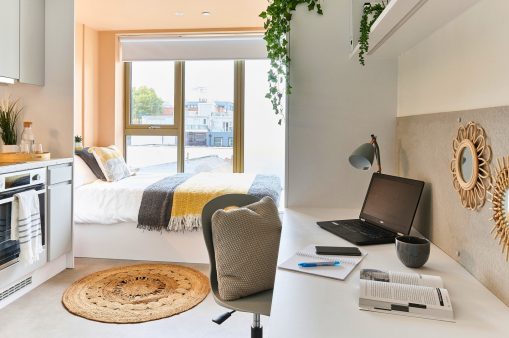
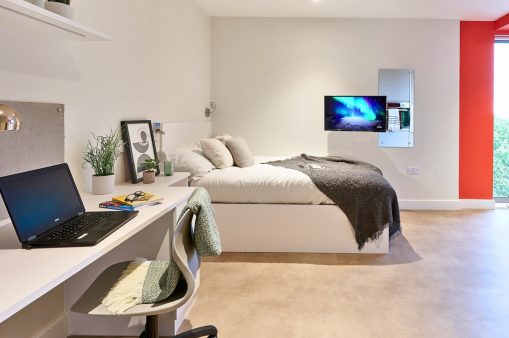
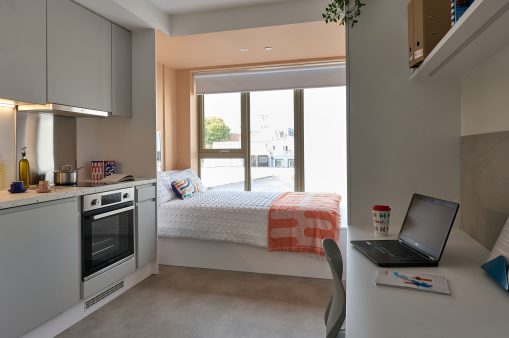
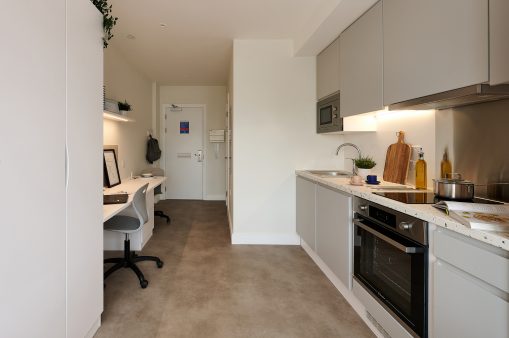
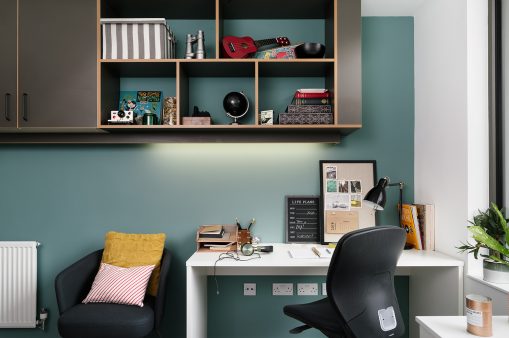
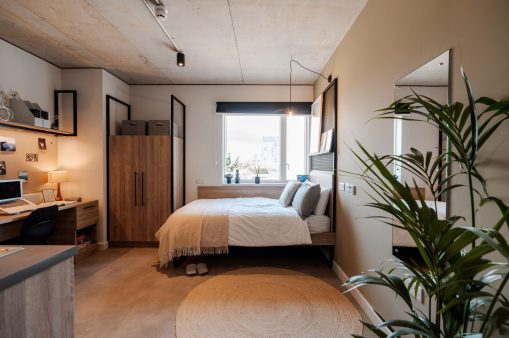
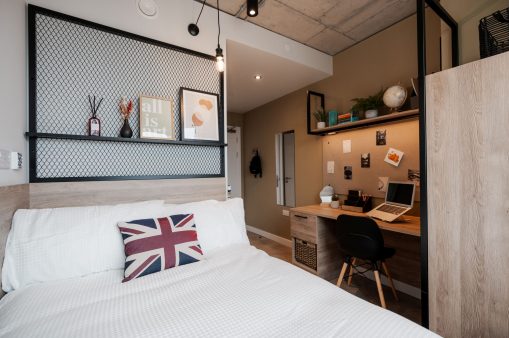
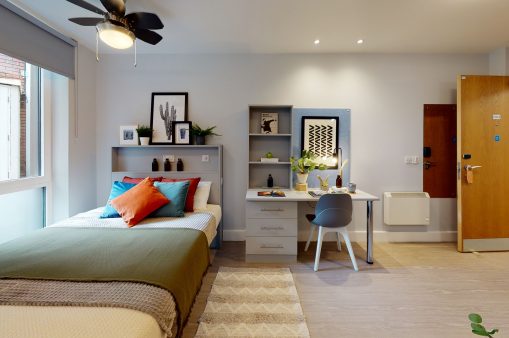
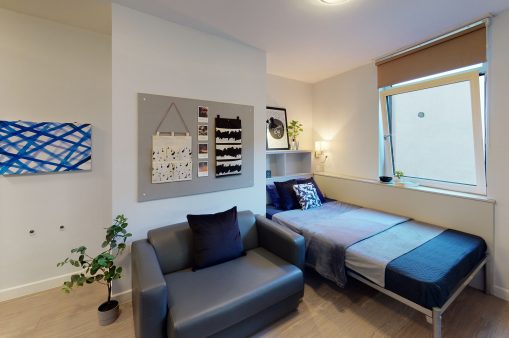
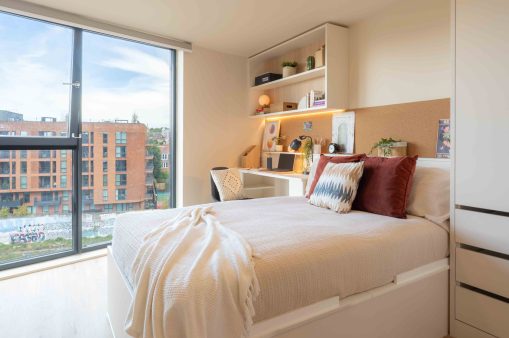
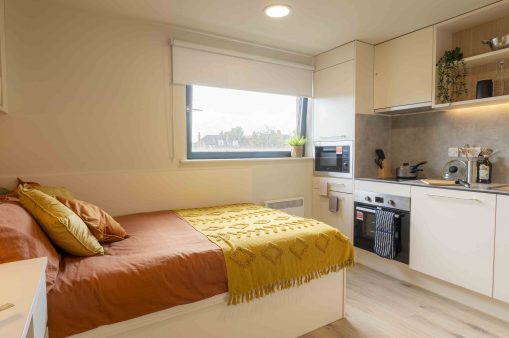
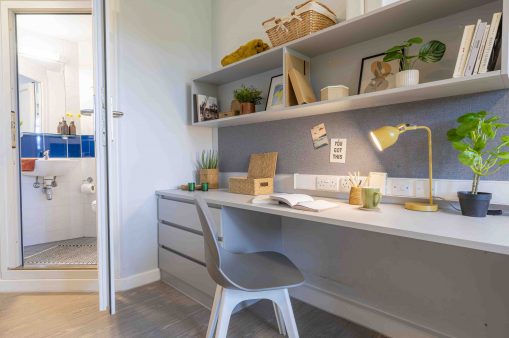
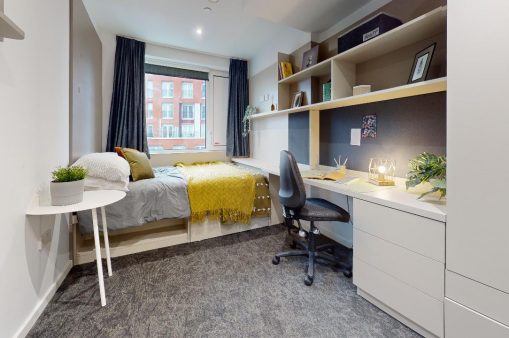
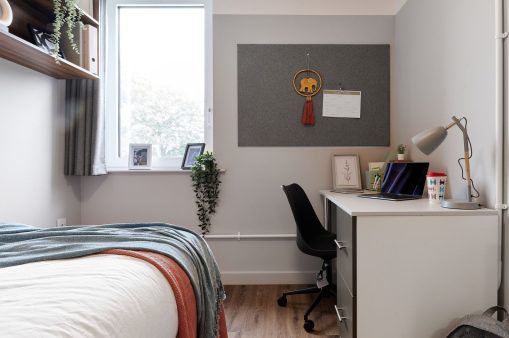
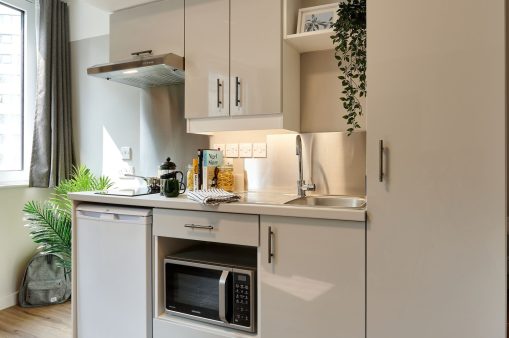
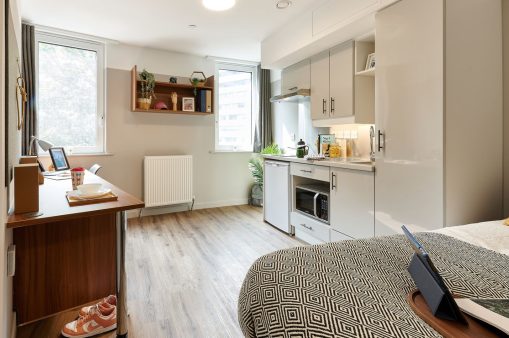
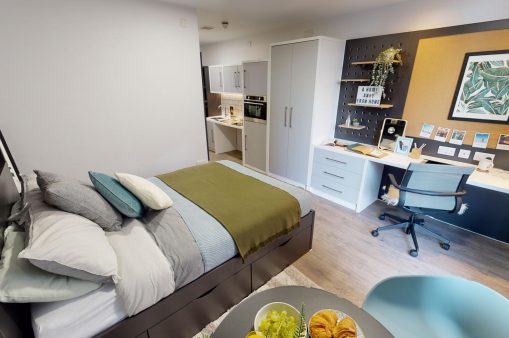
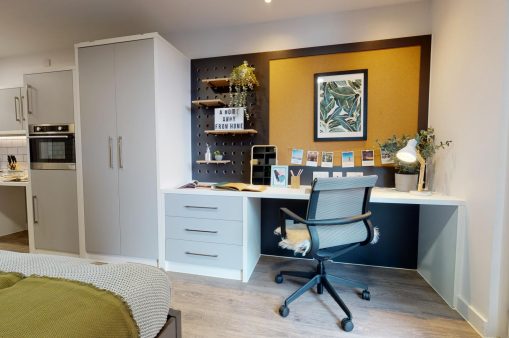
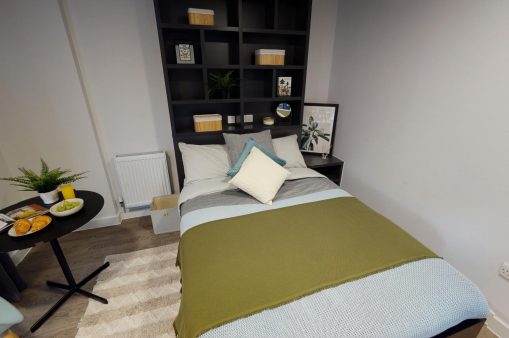
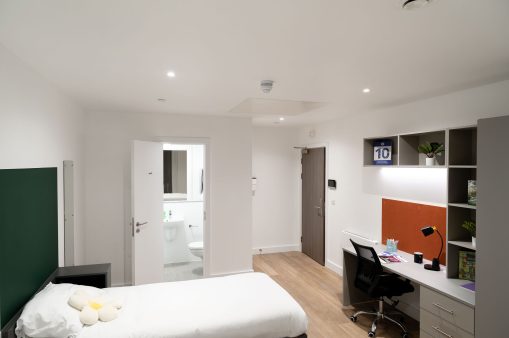
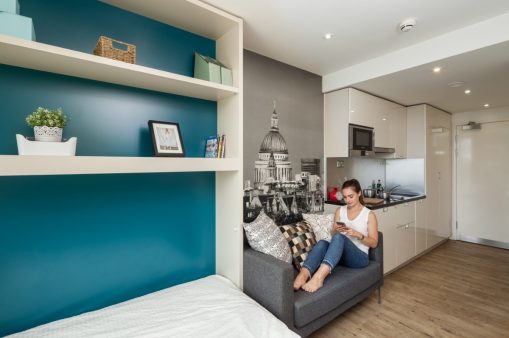
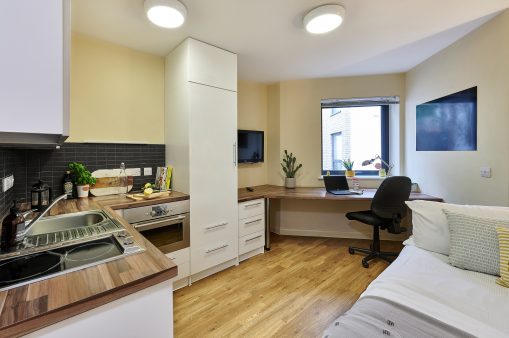
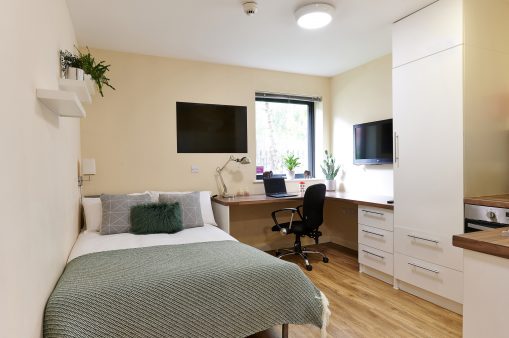
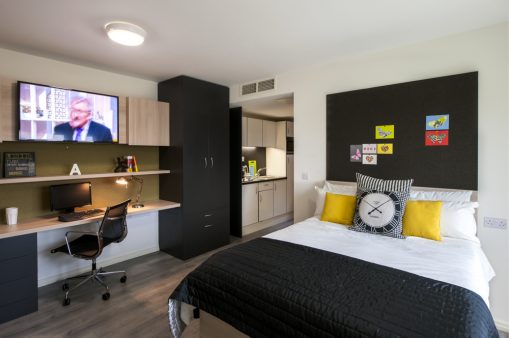
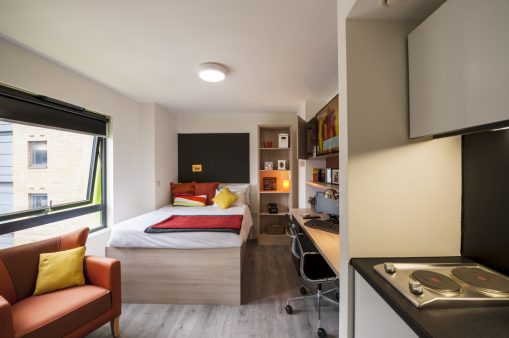
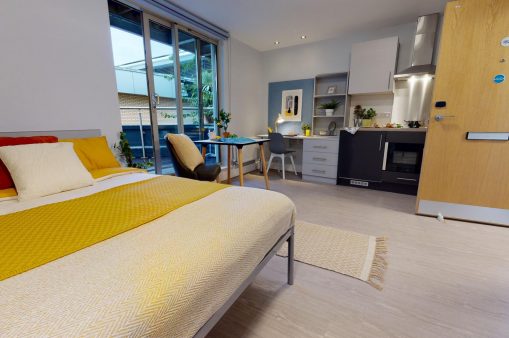
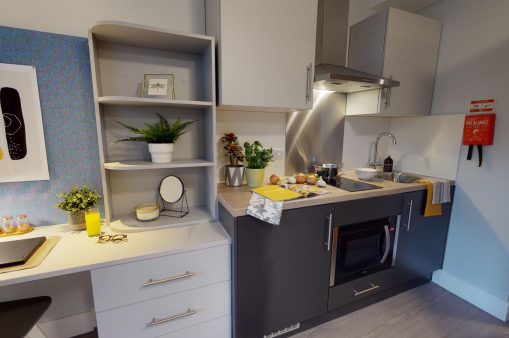
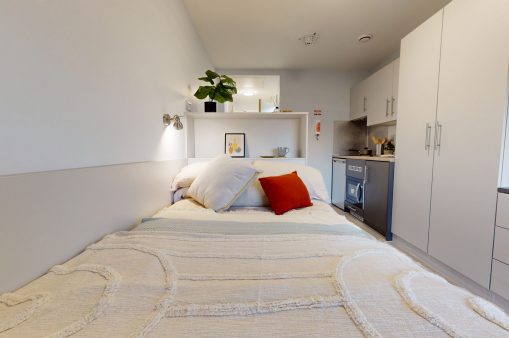
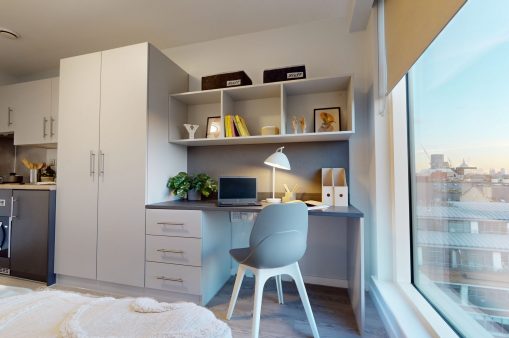
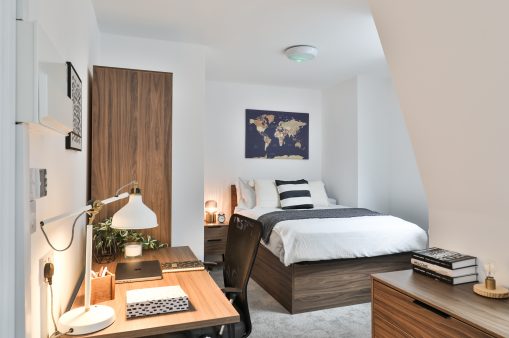
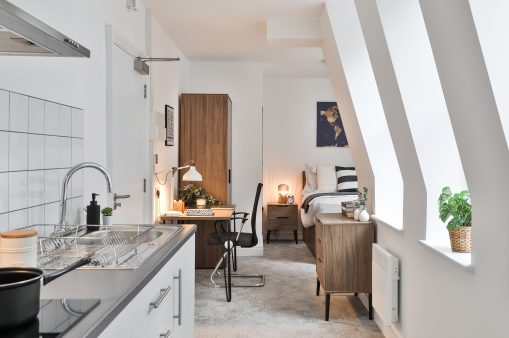
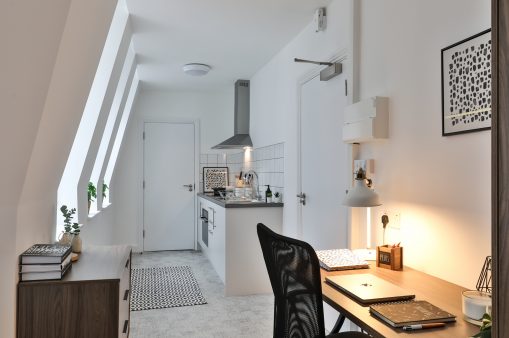
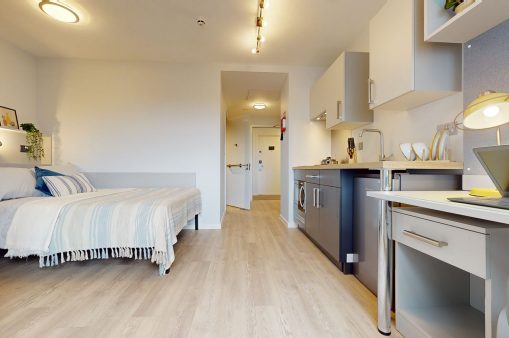
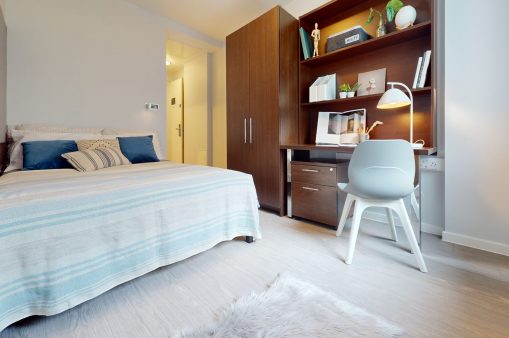
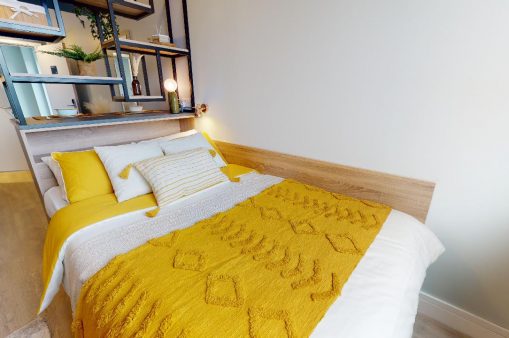
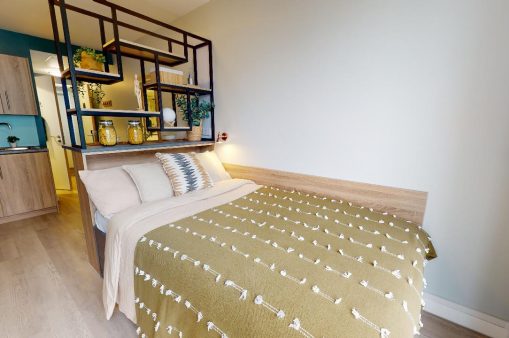
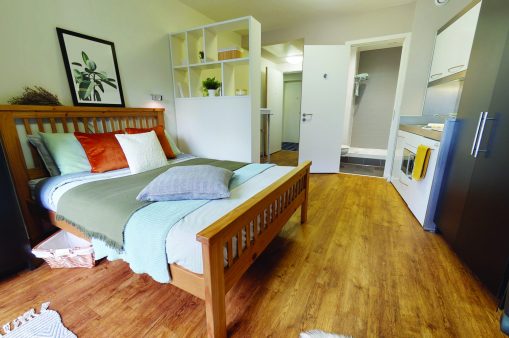
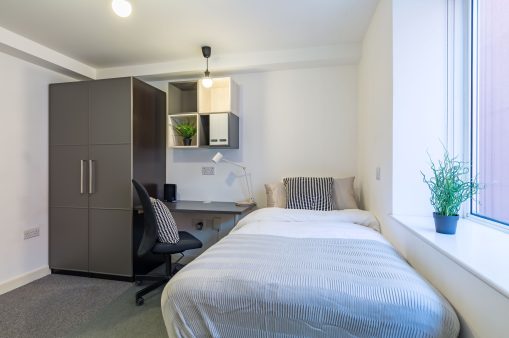
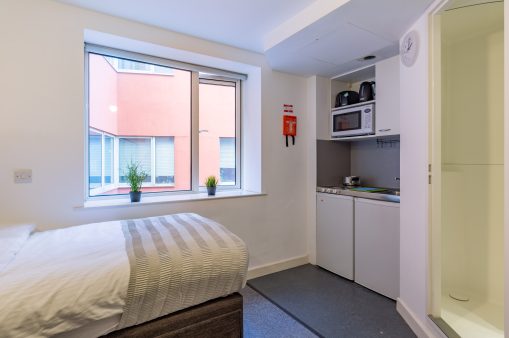
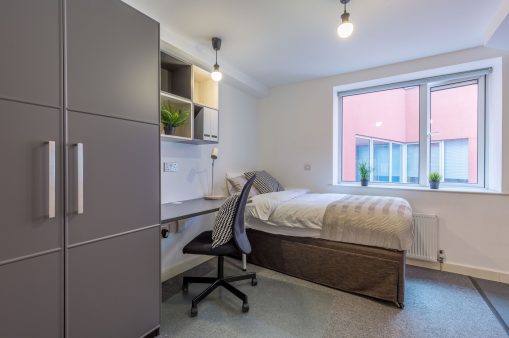
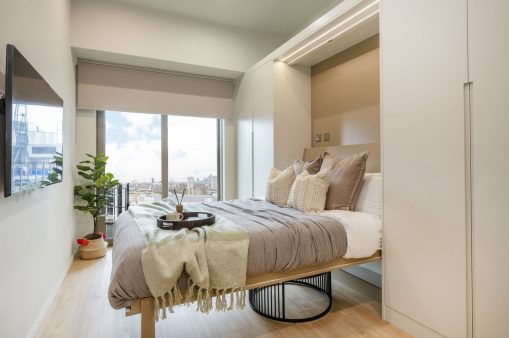
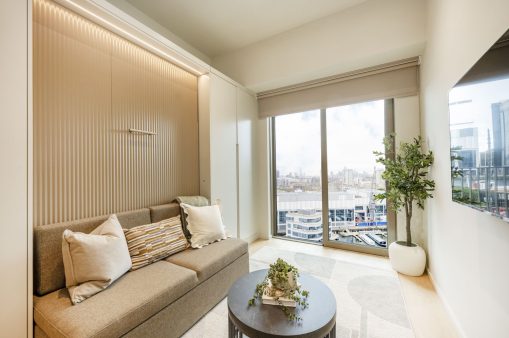
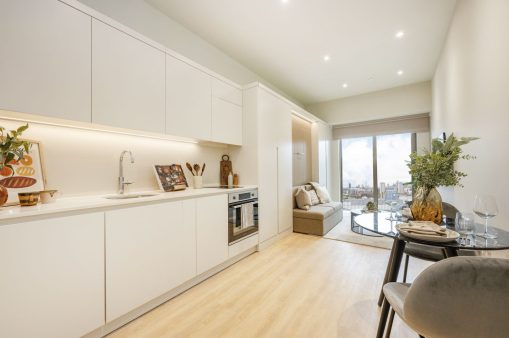
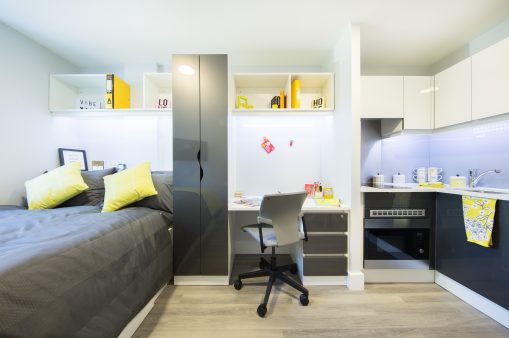
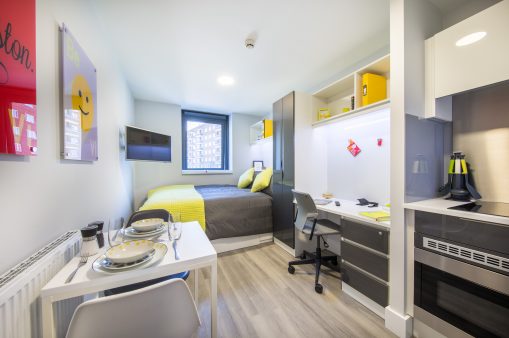
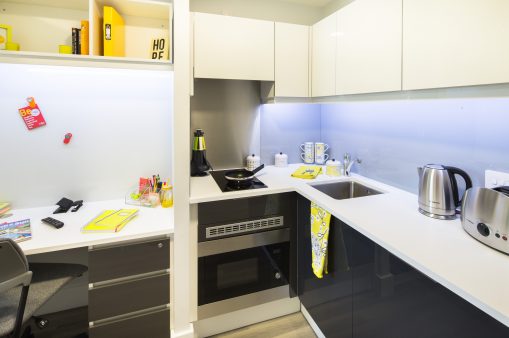
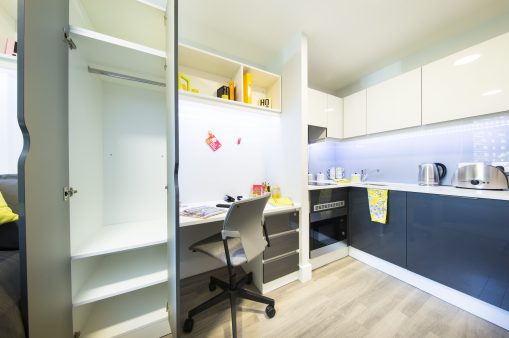
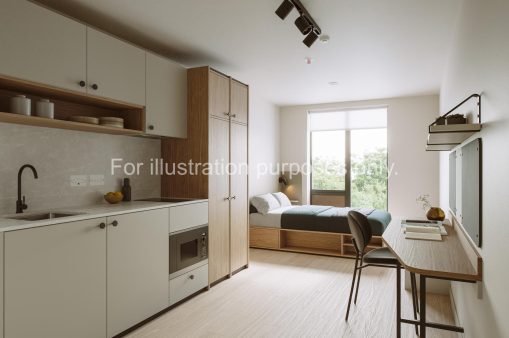
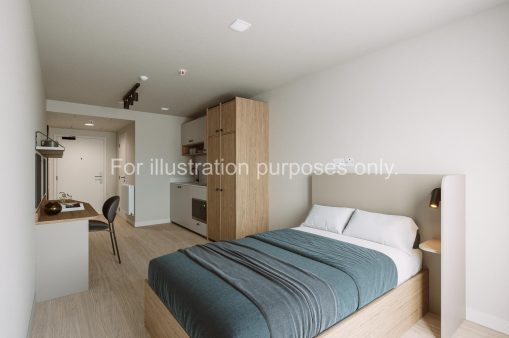
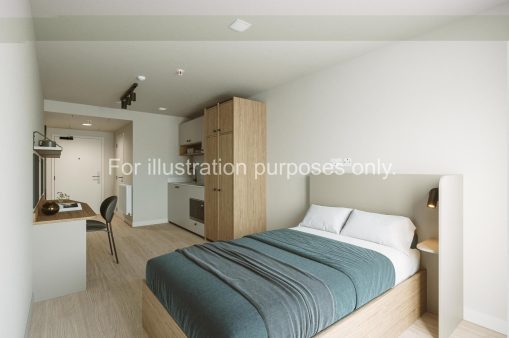
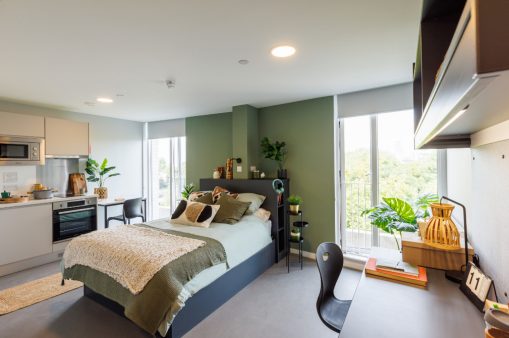
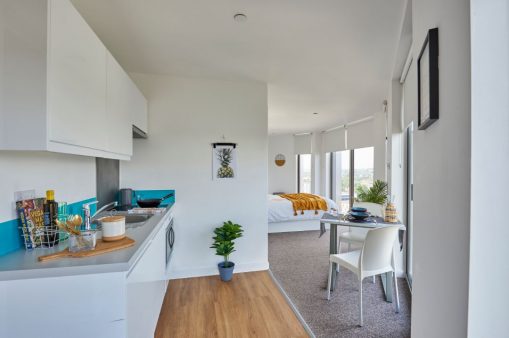
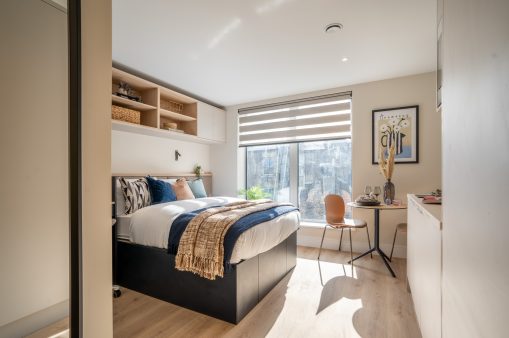
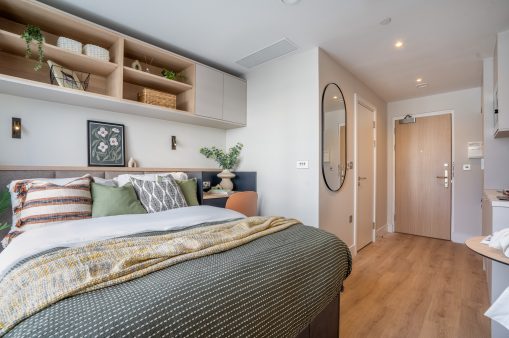
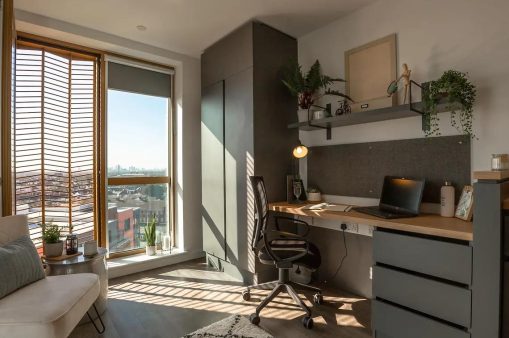
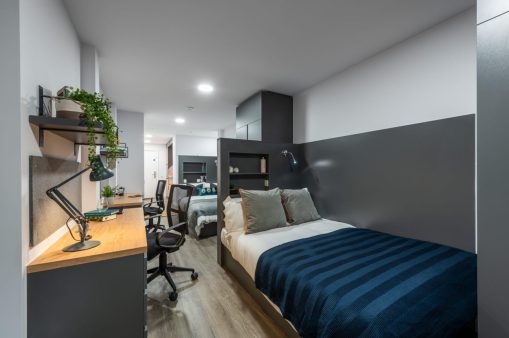
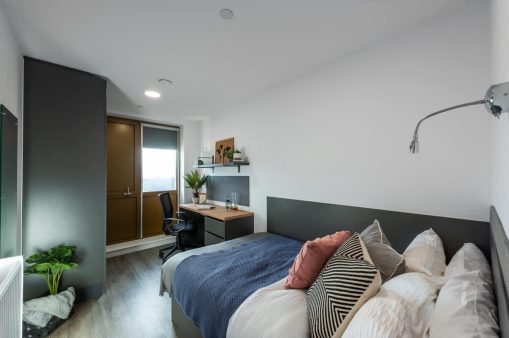
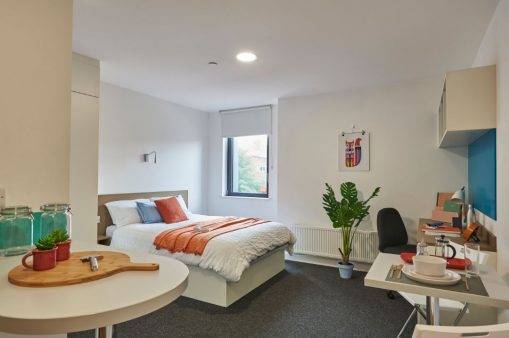
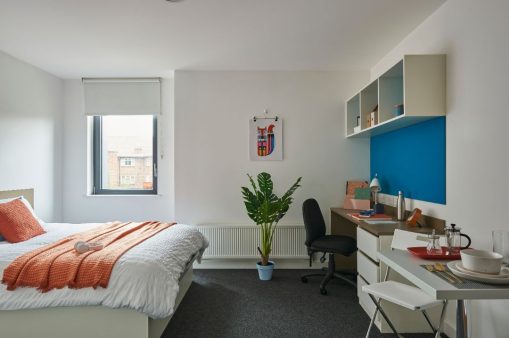
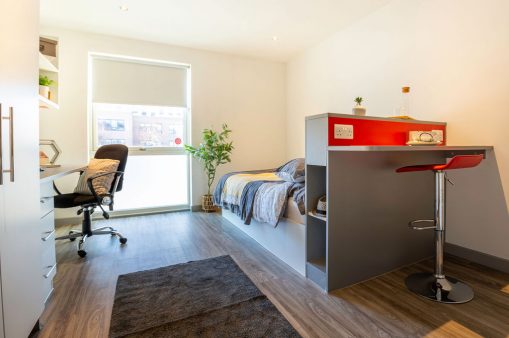
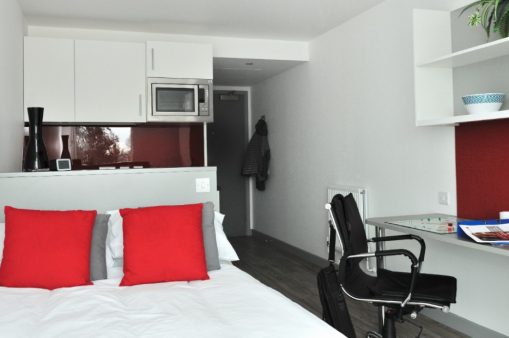
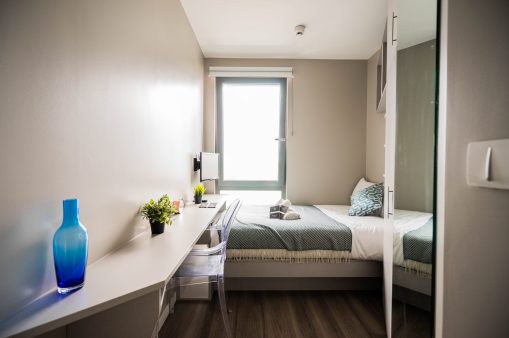
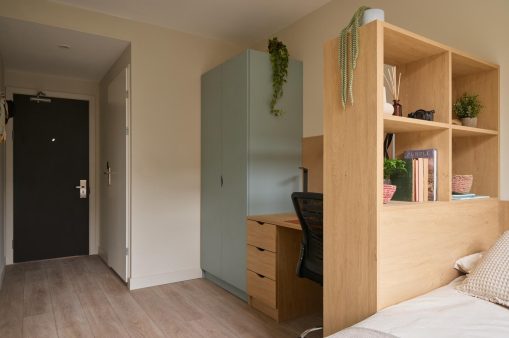
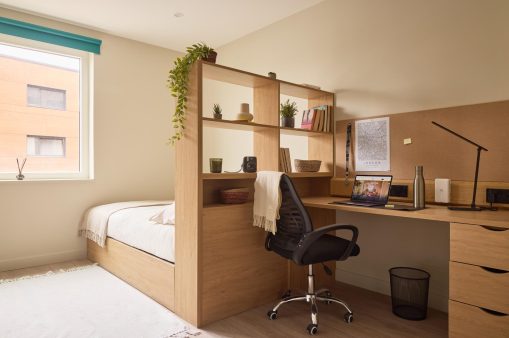
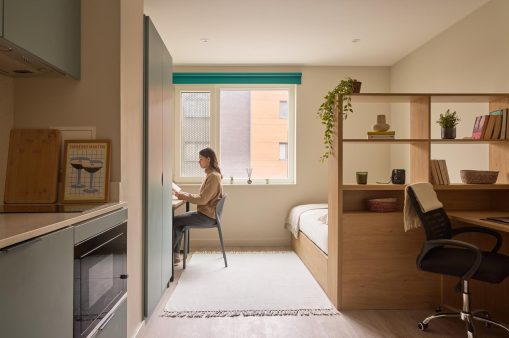
- Studios. A self-contained space with your own bedroom, bathroom and kitchenette. The most private and the most expensive, which is why they dominate the upper end of the price range.
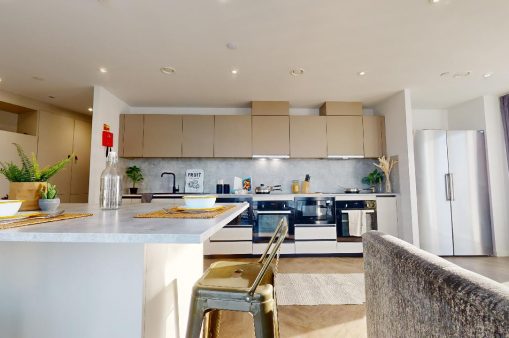
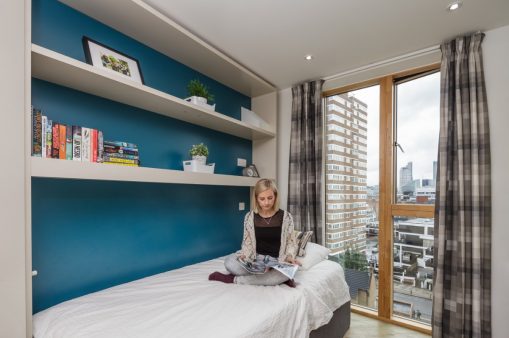
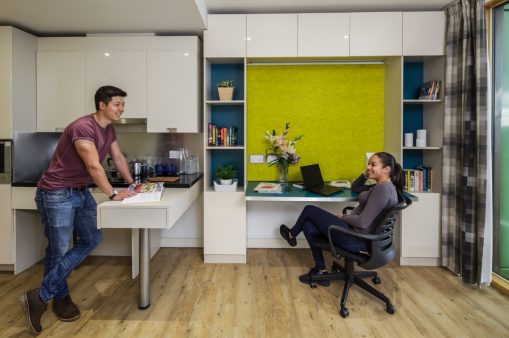
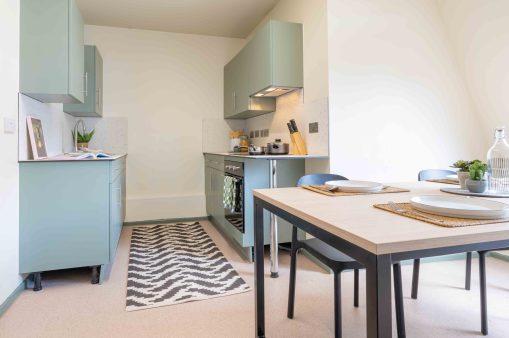
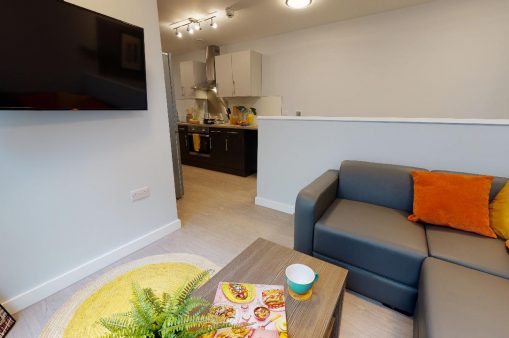
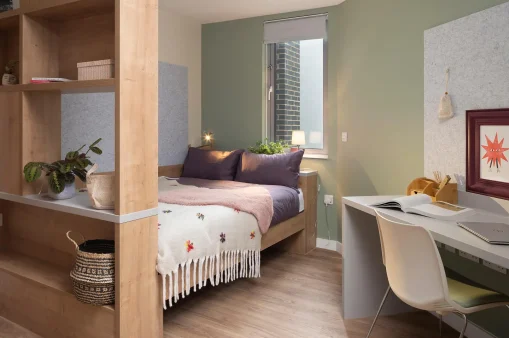
- Shared flats. A private bedroom within a flat where the kitchen and living areas are shared. Strong on community and often the most affordable layout.
Contracts, deposits and guarantors
- Tenancy lengths. Most agreements run between 42 and 51 weeks, covering the full academic year, with some providers offering shorter or longer terms on request.
- Deposits. Under the Tenant Fees Act 2019, a deposit cannot exceed five weeks’ rent where the annual rent is under £50,000, and any holding deposit is capped at one week’s rent. Some properties take only a reservation fee rather than a full deposit.
- Guarantors. UK-based students often provide a parent or guardian as guarantor. International students who cannot do this can use a paid service such as Housing Hand, which stands in as a UK guarantor so you can pay rent in instalments rather than upfront. Read the Mystudenthalls.com guide on getting your deposit back before you sign.
- Council tax. Full-time students are exempt from council tax, and a property occupied entirely by full-time students is exempt, which is a meaningful saving on top of the rent.
Student life in London
Student living in London rewards those who explore it. Sample the markets at Borough and Brick Lane, work through the free national museums, and treat the city’s late-night food scene as a sport. Mystudenthalls.com has guides worth a read before you arrive, including the Drunk Food Index and 35 unusual places to visit for free in London. For more, browse the full Mystudenthalls.com news hub.
Student accommodation in London FAQs
How much does student accommodation in London cost?
On Mystudenthalls.com, live London rents currently run from £199 to £679 a week across 61 properties, depending on area, room type and how central you are. For context, the Unipol and HEPI “Priced Out? The Accommodation Costs Survey 2024: London Edition” found the average London purpose-built rent was £13,595 a year, equal to £295 a week for just over 45 weeks, so the cheaper listings sit well below the city average while central studios sit above it.
What are the cheapest areas for students in London?
Outer zones offer the lowest rents. Wembley in the northwest, Ilford and Canning Town in the east, and Woolwich in the southeast all undercut central London, with live rooms from £199 to around £285 a week, so student housing under £200 a week is achievable if you move fast on the cheapest rooms. Strong Tube, Elizabeth line and DLR links keep the commute manageable.
What does "bills included" cover?
In most London properties, bills included covers electricity, gas, water, contents insurance and superfast wifi within your weekly rent. Some properties also include the TV Licence. Always confirm exactly what is bundled before booking, because the specifics vary by provider.
Do students pay council tax in London?
No. Full-time students are exempt from council tax, and a household where everyone is a full-time student is exempt entirely. You may need to provide a student certificate from your university to claim the exemption.
What is the deposit cap under the Tenant Fees Act?
For tenancies with annual rent under £50,000, the deposit is capped at five weeks’ rent, and a holding deposit cannot exceed one week’s rent. These caps apply to student tenancies signed since 1 June 2019.
What are the guarantor requirements for international students?
Landlords usually ask for a UK-based guarantor, which international students rarely have. The common solution is a professional guarantor service such as Housing Hand, which acts as your UK guarantor for a fee and lets you pay rent in instalments rather than several months upfront. The alternative some providers accept is paying rent in advance.
Can first-year students book private accommodation?
Yes. While many first years choose university-run accommodation, private student halls accept first years too, and they suit students who want a specific area, room type or budget. Most first-year university places are guaranteed for one year, after which students typically move into private accommodation.
How long are typical contracts?
Most London contracts run between 42 and 51 weeks, covering the academic year. Some providers offer shorter terms for postgraduates or longer stays for those who want to remain over summer.
When should I book for the academic year?
Private student accommodation in London tends to advertise from late July onwards for the next academic year, and the best-value rooms go early. International and first-year students are advised to start looking around January. Booking earlier widens your choice and locks in price before the popular rooms sell out.
What is the difference between an en-suite, a studio and a shared flat?
An en-suite gives you a private bedroom and private bathroom with a shared kitchen and lounge. A studio is fully self-contained with your own kitchenette and bathroom, offering the most privacy at the highest price. A shared flat means a private bedroom with shared kitchen and living space, usually the most affordable and the most social.