LSE student accommodation at a glance
LSE is based around a compact campus in Holborn, so for most students the bigger question is how central they want to be, and how much they are willing to pay for a shorter walk. LSE accommodation through Mystudenthalls.com currently runs to 70 options from 19 different providers, with weekly rents from £179.00 to £699.00 and an average near £352.31 a week. Because the London School of Economics teaches from one cluster of buildings around Houghton Street rather than a spread-out campus, the closer you are to Houghton Street, the more you are usually paying to cut down the walk to lectures. There is a wide choice: compact en-suite rooms in shared flats, self-contained studios, and co-living buildings with gyms and study floors. You can compare student accommodation near London School of Economics by distance, then sort by price and room type to settle on a shortlist.
A quick orientation for newcomers: LSE had 12,950 students in 2024/25, made up of 5,785 undergraduates and 7,160 postgraduates, according to figures compiled from HESA returns. With more postgraduates than undergraduates, one-person studios and longer 50- and 51-week contracts are common here, rather than the September-to-June lets you find at campus universities elsewhere.
Private student accommodation or university accommodation?
LSE runs its own university residences, and every new first-year undergraduate who books by the deadline is guaranteed one of those rooms for year one. The situation changes after first year: the university does not guarantee a place for postgraduates or returning students, even if they apply early, so most people move into private student accommodation from their second year onward. Every property here is private purpose-built student accommodation (PBSA) and co-living run by independent operators, bookable by LSE students in any year of study and at any level, without going through the university allocation process.
Private accommodation can give you more flexibility than the university system always offers: a wider spread of locations, contract lengths from a single term up to a full 51 weeks for year-round masters students, and direct booking rather than an allocation you cannot change once confirmed. It tends to suit anyone weighing up LSE private accommodation after first year, international arrivals who want a room secured before they land, and postgraduates who never entered the undergraduate guarantee in the first place. For many students, university residences are a first-year option, while private accommodation becomes more relevant from second year or postgraduate study, and you can compare both before you settle on the right LSE housing for your budget.
Cheapest areas for LSE students
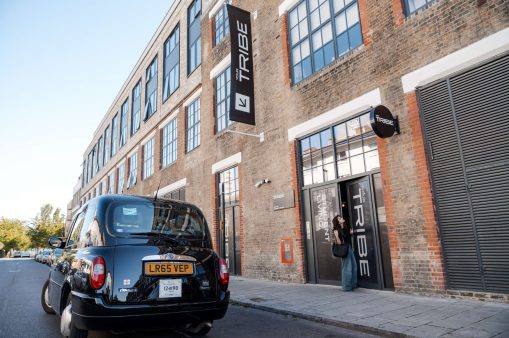
A room beside campus and a room two or three Tube stops out can differ by a meaningful amount over a year. The lowest weekly rents sit south and east of the river: YourTRIBE Deptford starts at £179.00a week, and Goldsmiths House from around £263.00, both with lower rent in exchange for a longer commute. The Valentine is another option under £199.00 a week. None of these are on the doorstep of Houghton Street, but all sit on direct rail or Tube routes into the centre, so the main compromise is journey time.
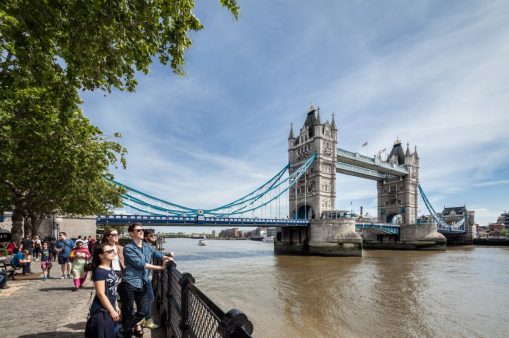
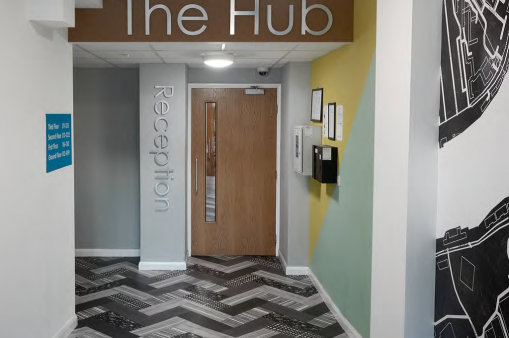
If you want to stay broadly central while easing the rent, the riverside and Southwark belt is a good middle ground. YourTRIBE Southwark starts around £250.00 and The Hub around £390.00, both within a short distance of the South Bank and an easy route across the river to campus. Bermondsey’s Great Court sits in similar territory. A base in Zone 2 or just across the Thames is where the lower rents are, while the addresses nearest Holborn cost the most.
Best areas for LSE students
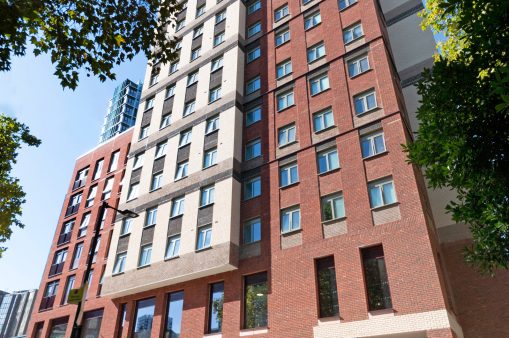
Holborn is the closest area to campus. The London School of Economics campus occupies roughly 30 buildings between Kingsway and Aldwych in the WC2 postcode, with Holborn Underground station at the top of Kingsway, and Temple, Chancery Lane and Covent Garden stations all a few minutes’ walk away. The streets immediately around the campus are where LSE Holborn accommodation is closest, and there are fewer private options immediately around campus because this is some of the most built-up real estate in the city. The university’s own High Holborn residence is about a 0.3-mile, eleven-minute walk from the lecture theatres, which gives a useful yardstick for how compact “walkable” really is here.
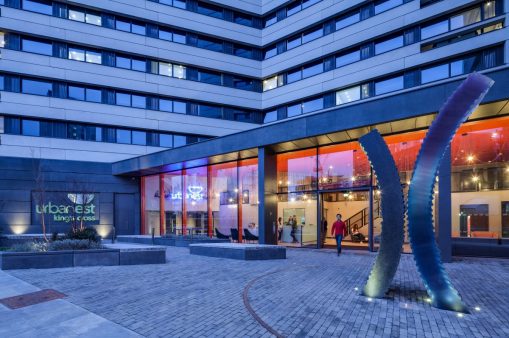
Push out slightly and the choice opens up. Clerkenwell and Farringdon, around fifteen minutes’ walk north-east, hold studios such as Herbal Hill Studios in a quieter pocket that still counts as central. Bloomsbury to the north-west puts you among the University of London squares, with iQ Bloomsbury among the more expensive options, a higher spec building close to campus. South of the river, the riverside strip from Waterloo through Southwark to Bankside is genuinely close once you account for the footbridges: iQ Paris Gardens near Waterloo, iQ Bankside by the Tate Modern, and Chapter London Bridge all put campus within a twenty-minute door-to-door reach. King’s Cross, a short ride up the Piccadilly line, adds another practical base with Host King’s Cross and Urbanest King’s Cross, handy if you value the Eurostar terminal and the regeneration around the station. For LSE London accommodation it usually comes down to picking one of these areas and weighing up the walking time against the weekly rent.
Best areas by university
LSE sits inside a tight knot of central London institutions, and where you live often depends on which of them you are travelling between for joint courses, libraries, or a partner studying elsewhere. The campus shares the Holborn and Aldwych quarter with several neighbours, so one location can work for students at several nearby universities. King’s College London’s Strand campus is a ten-minute walk south, so the riverside properties suit students at both; you can weigh them on the King’s College London pages. UCL sits up in Bloomsbury, a short walk or one Tube stop north, and its options are worth a look on the University College London listings. City, University of London lies north-east towards Clerkenwell and Islington, close to the Herbal Hill cluster, while SOAS shares the Bloomsbury squares with UCL. To see everything in one place, the London student accommodation hub lists every live building across the city.
Getting around LSE
You will not need much of a commute if you base yourself centrally, which is the advantage of paying West End rents. Holborn station sits in Zone 1 on the Central and Piccadilly lines, a couple of minutes from campus, with Temple, Chancery Lane and Covent Garden close by, and Tottenham Court Road and Charing Cross within easy reach for mainline and Elizabeth line connections. From the riverside bases, the walk across Waterloo or Blackfriars bridge is often quicker than waiting for a train, and several bus routes run through Aldwych and along the Strand.
The money question is the rent-versus-commute trade. A room beside Houghton Street costs more but spends nothing on travel; a room in Zone 2 or across the river costs less but adds a daily fare. An 18-25 Railcard linked to an Oyster card cuts pay-as-you-go Tube fares by a third, and Transport for London caps daily and weekly spend automatically, so the sums are easy to run before you book. For most LSE students it comes down to whether the shorter walk is worth more to you than the savings of a fifteen-minute ride, and that depends on how you like to study and live.
What is included and the room types
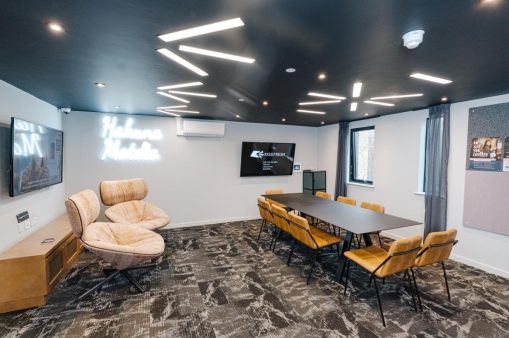
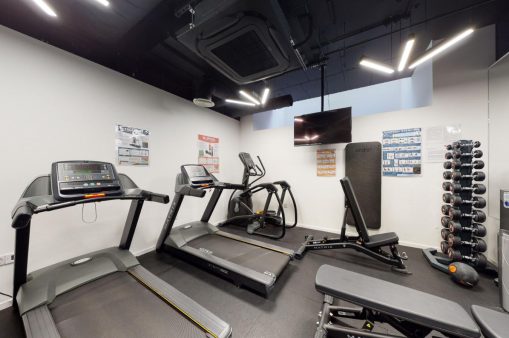
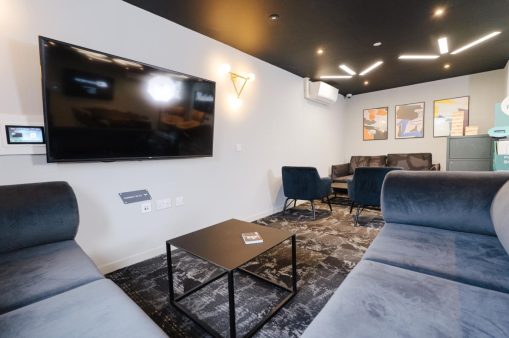
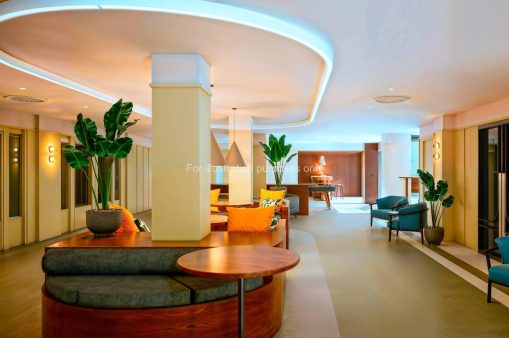
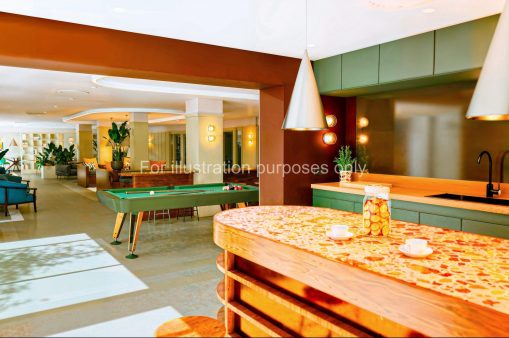
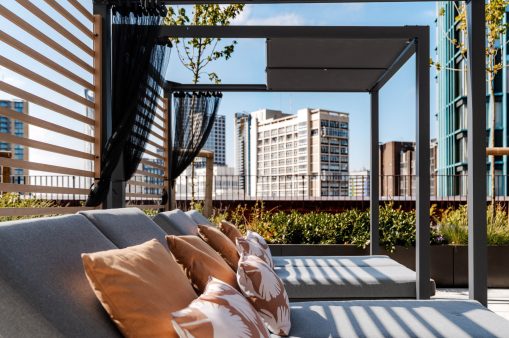
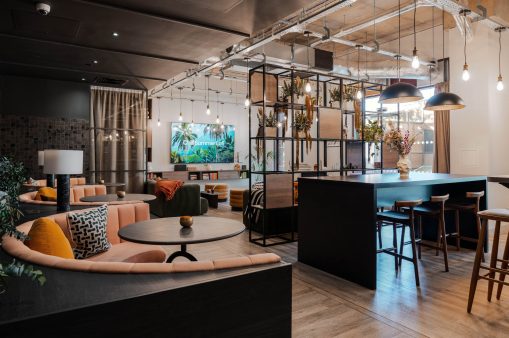
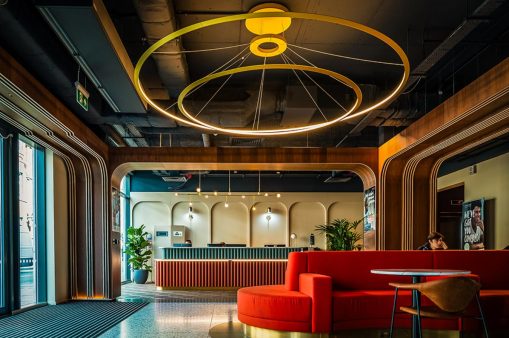
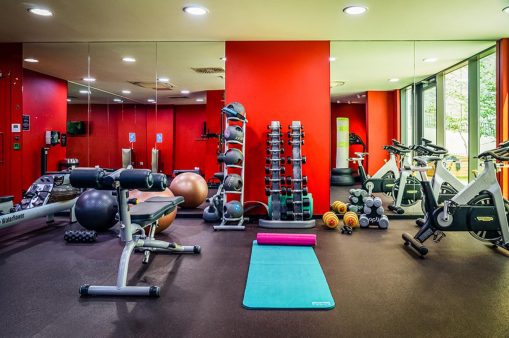
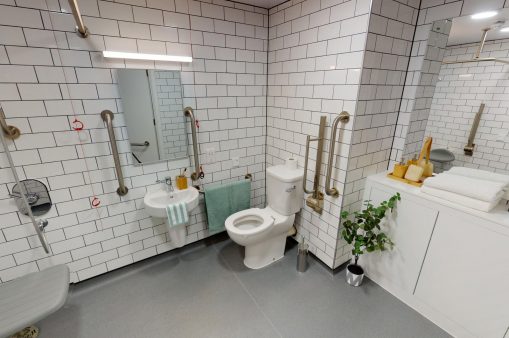
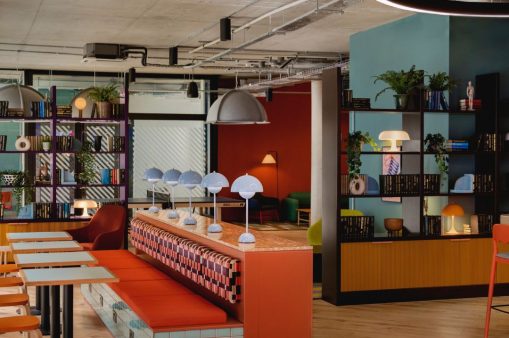
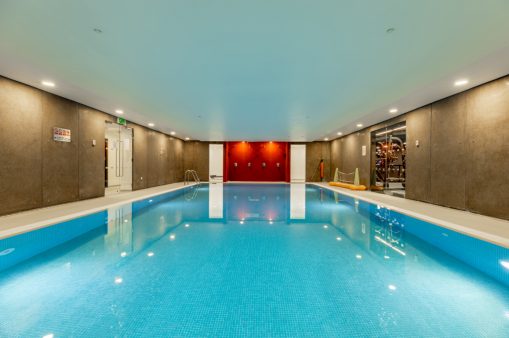
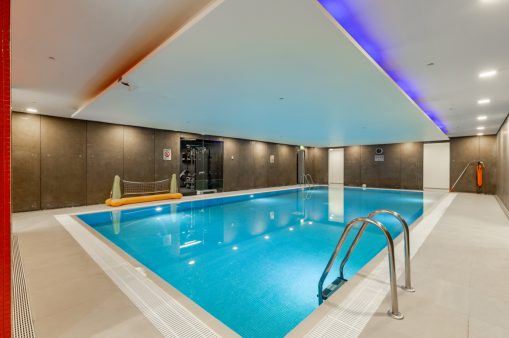
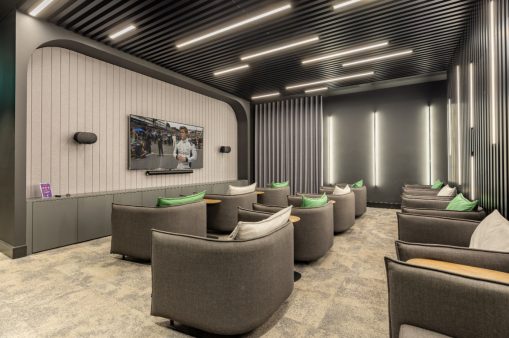
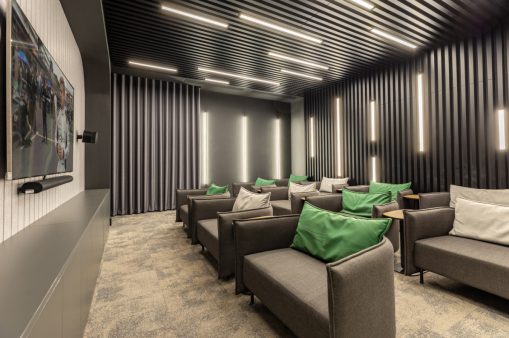
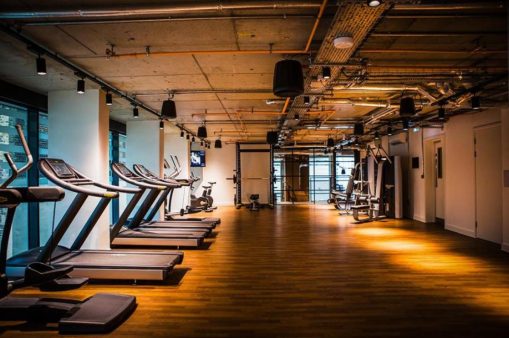
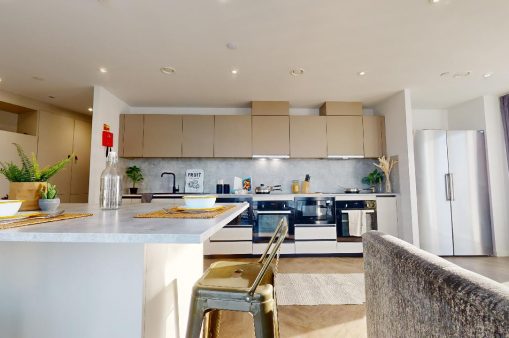
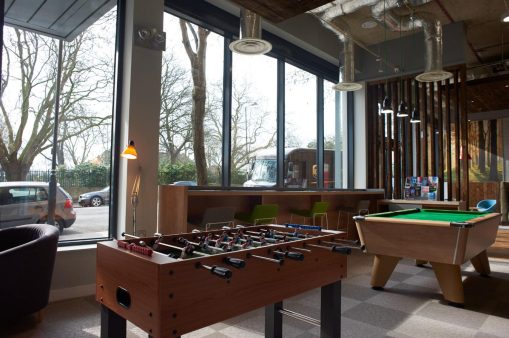
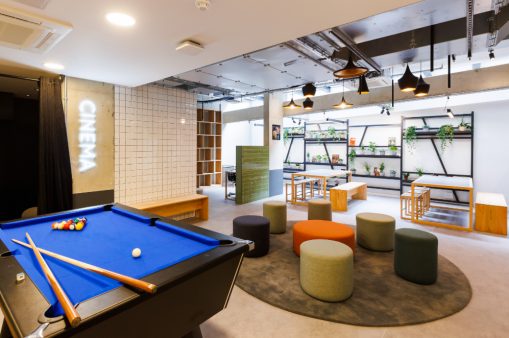
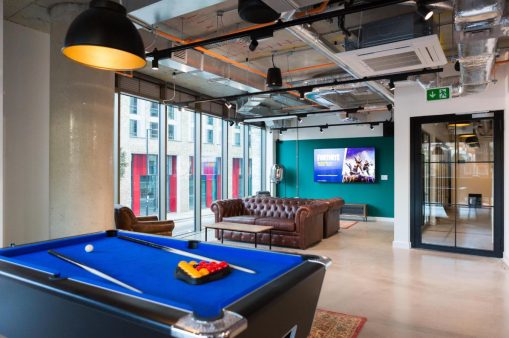
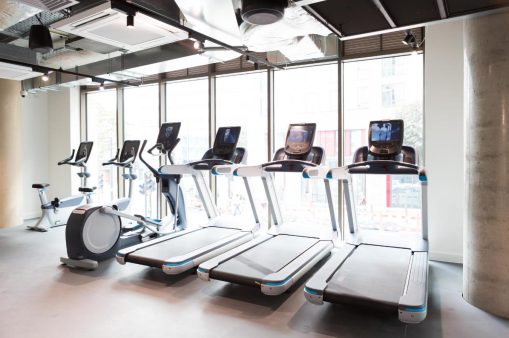
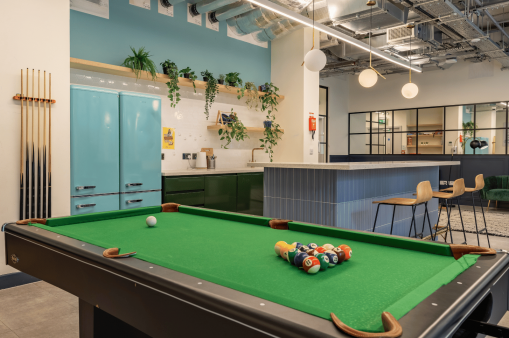
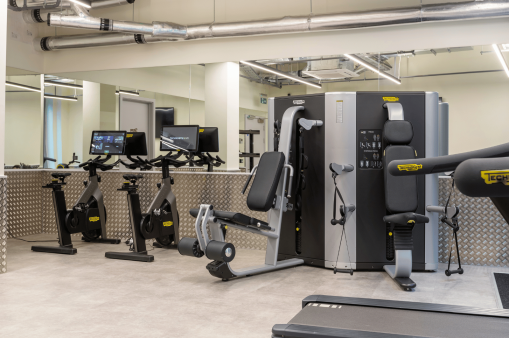
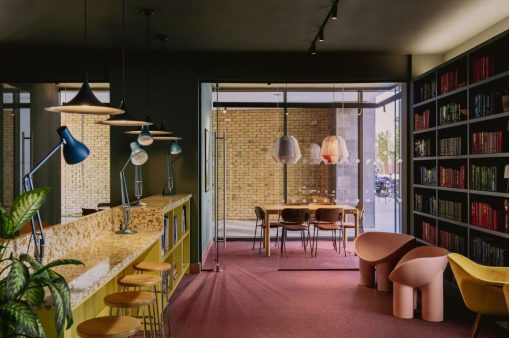
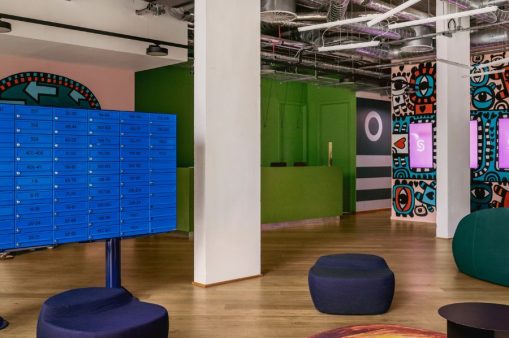
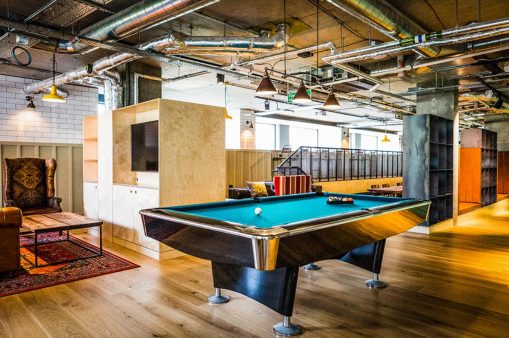
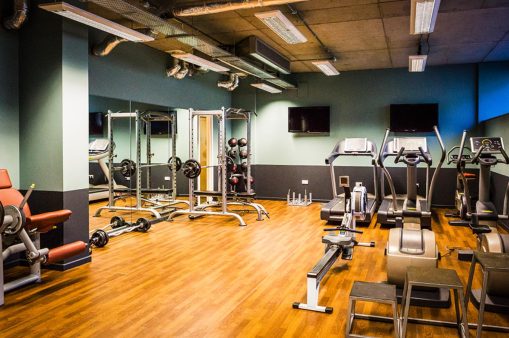
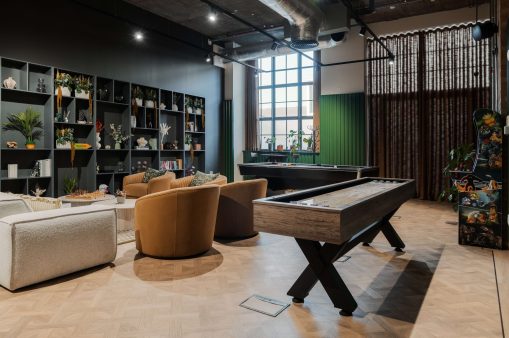
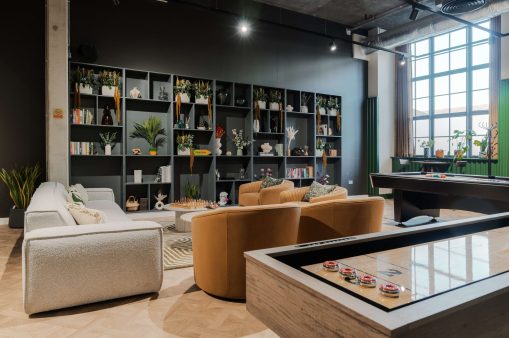
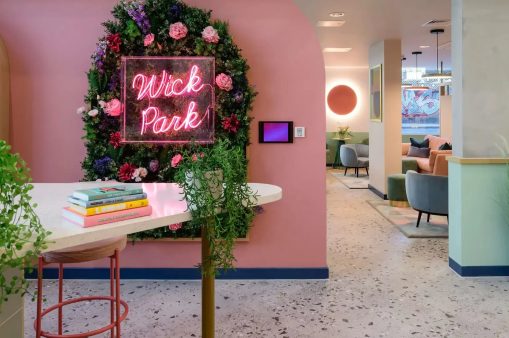
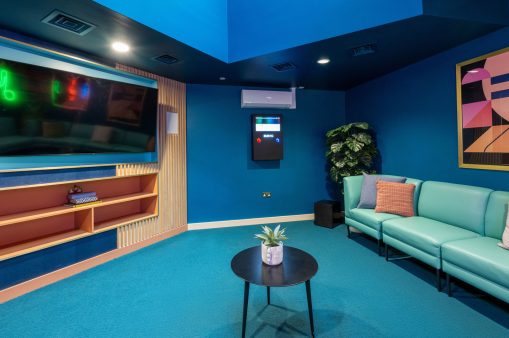
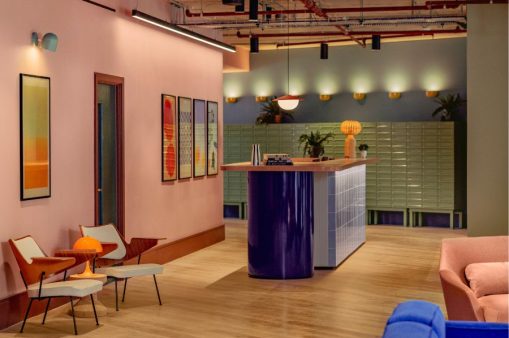
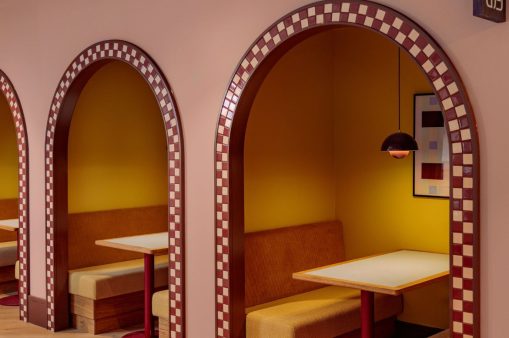
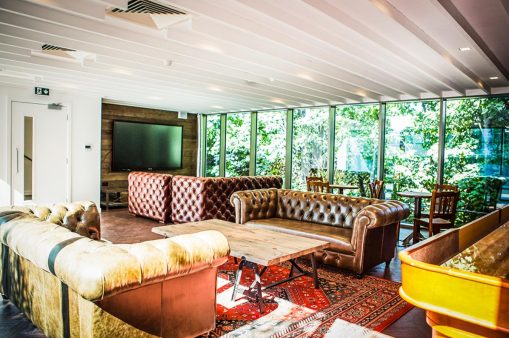
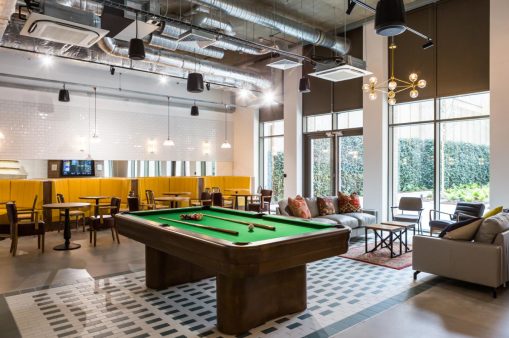
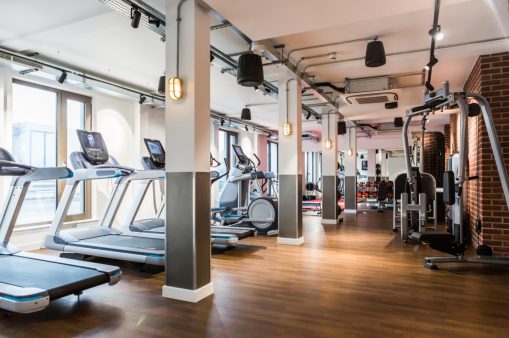
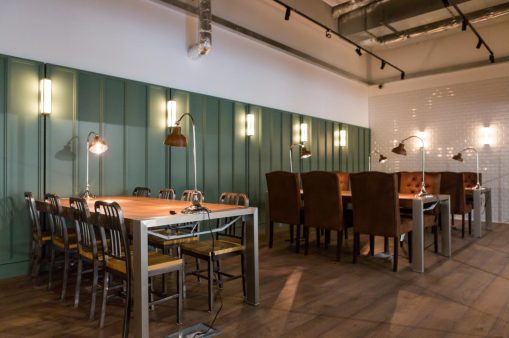
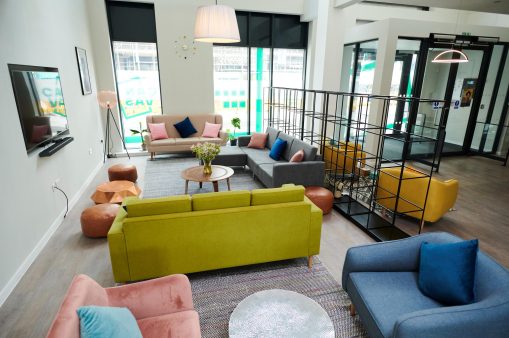
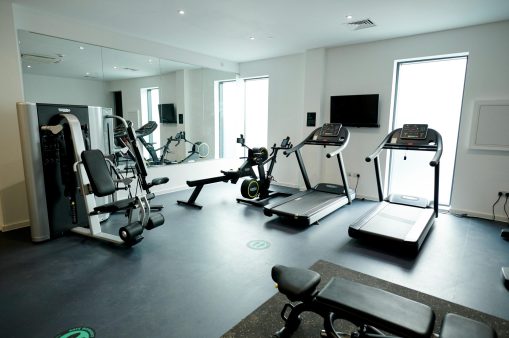
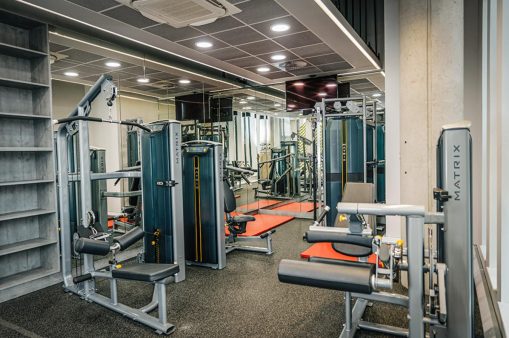
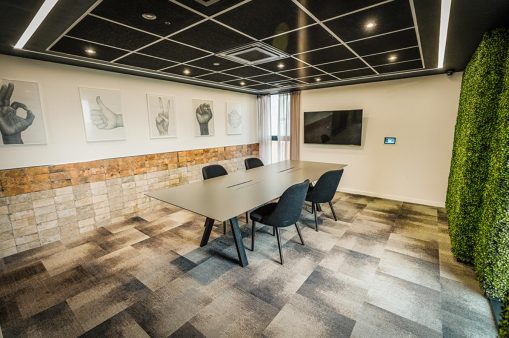
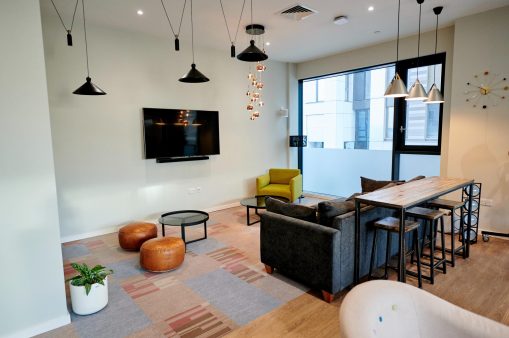
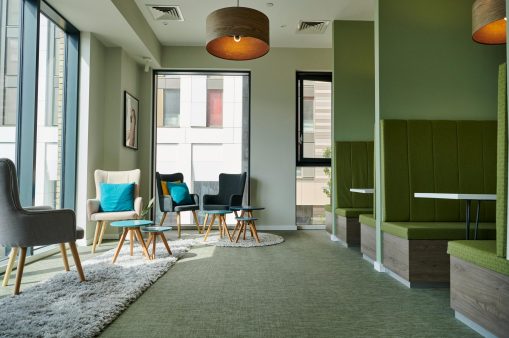
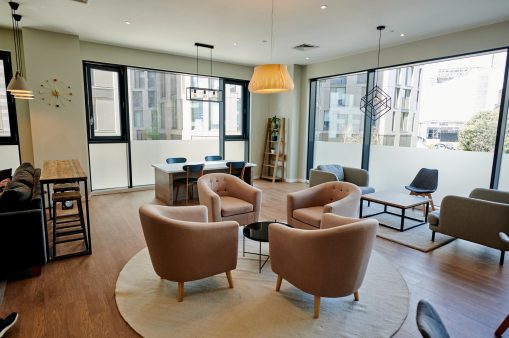
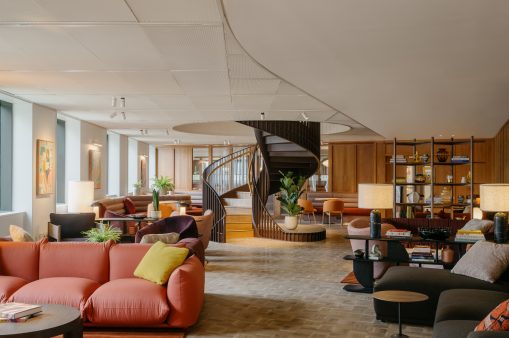
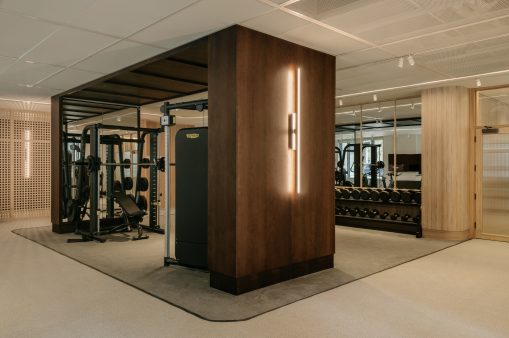
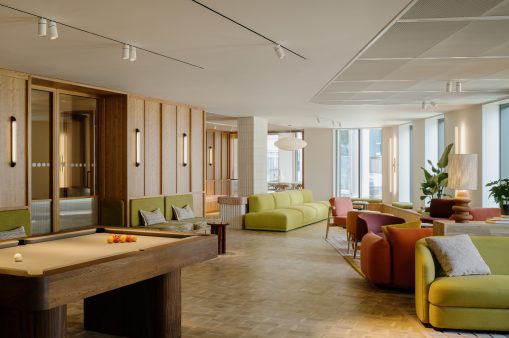
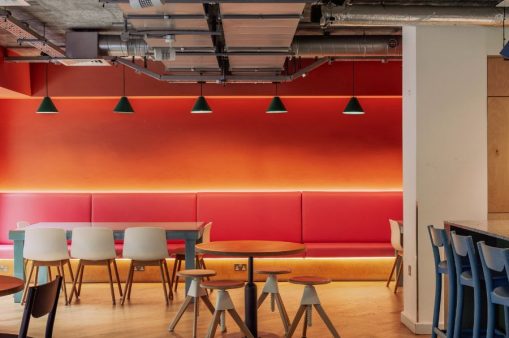
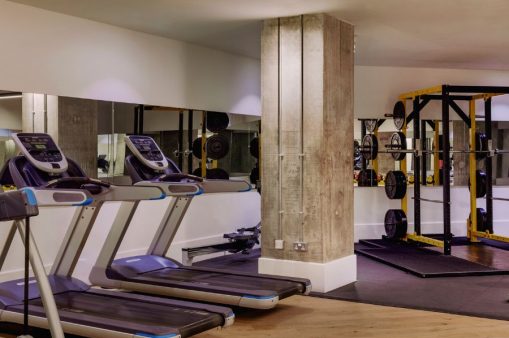
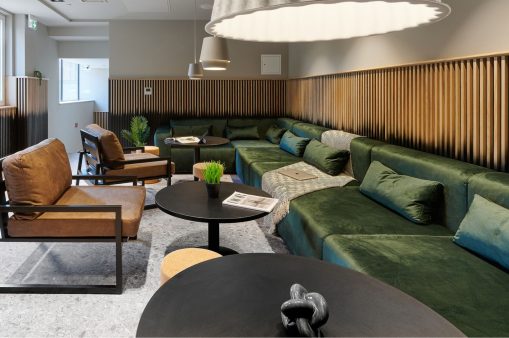
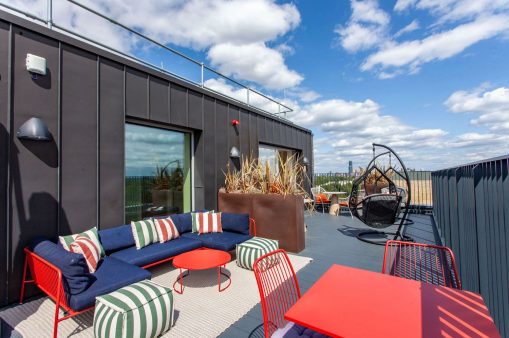
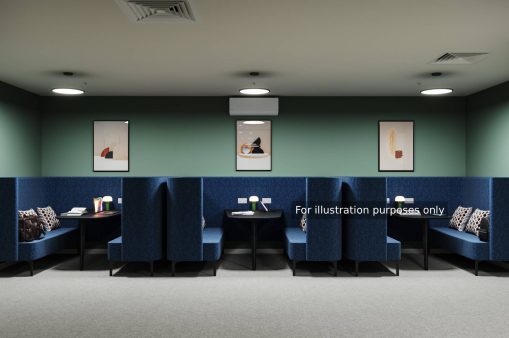
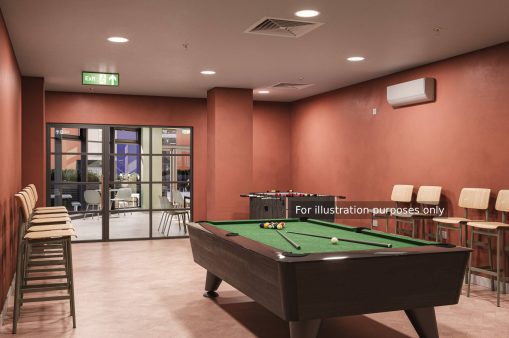
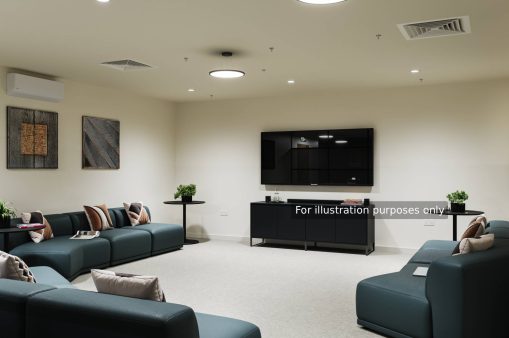
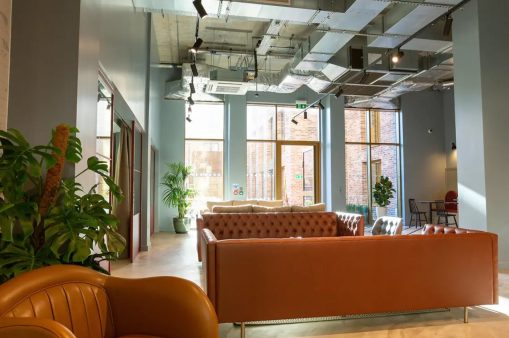
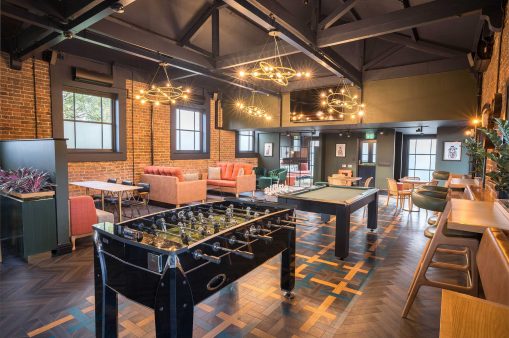
Most private student accommodation near LSE is offered with bills included, meaning electricity, heating, water and broadband are wrapped into one weekly figure rather than billed separately, though you should always confirm the exact list on each property page because the detail varies between operators. Contents insurance, on-site gyms, cinema rooms, study floors and laundry are common in the newer co-living student housing; a smaller, studio-led residence may offer fewer shared facilities at a lower price. The filters on the grid let you screen for bike storage, key-fob access, security staff and step-free access where these matter to you.
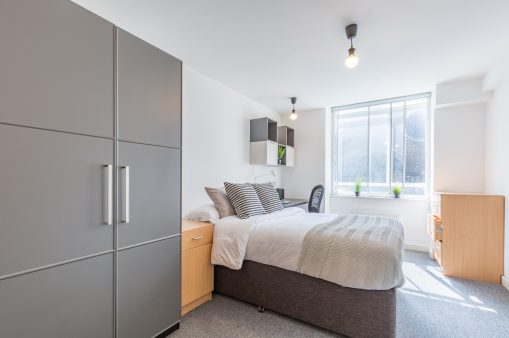
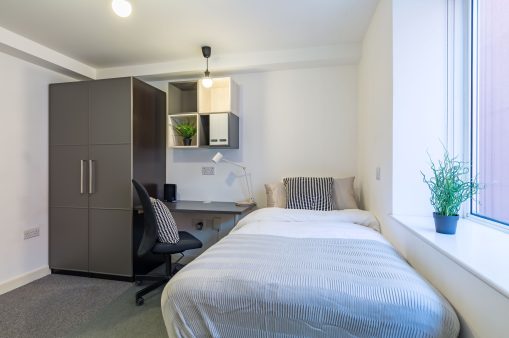
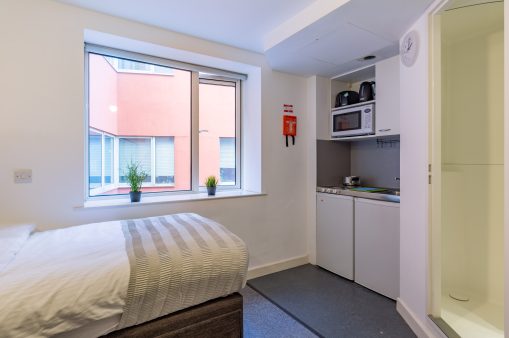
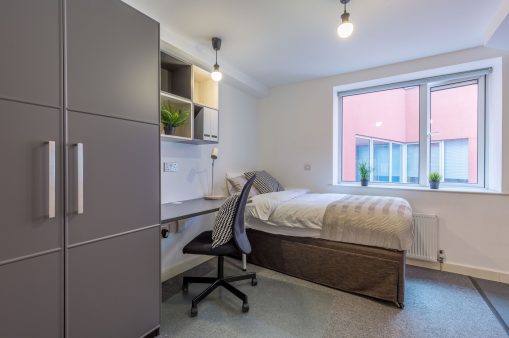
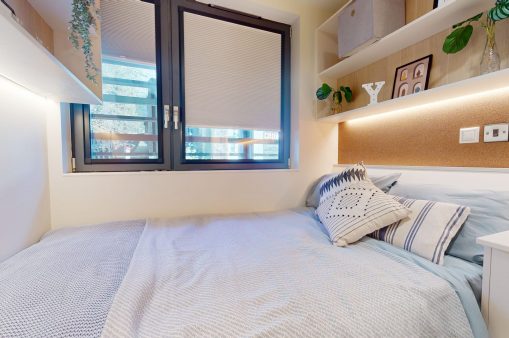
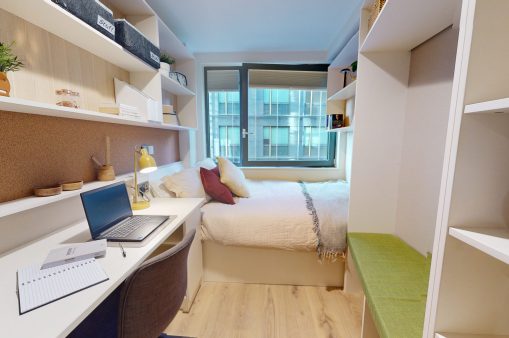
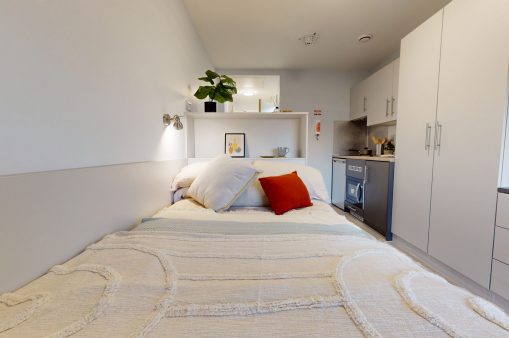
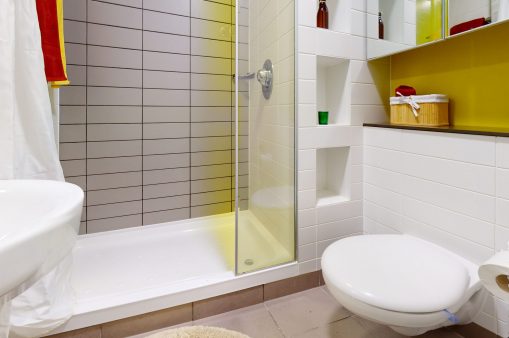
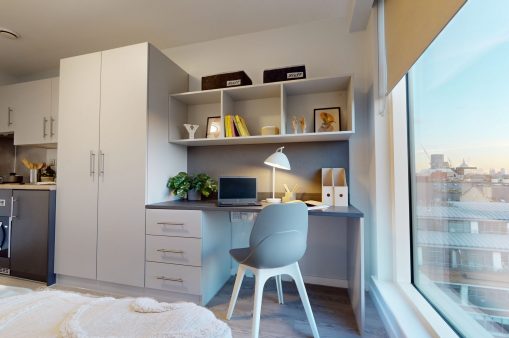
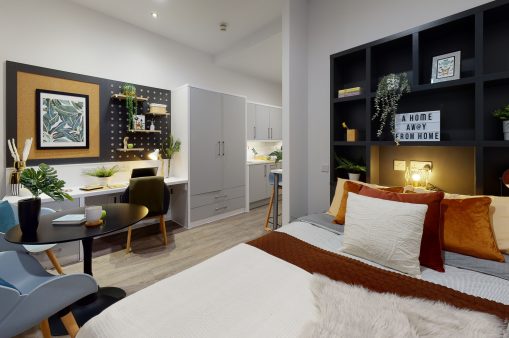
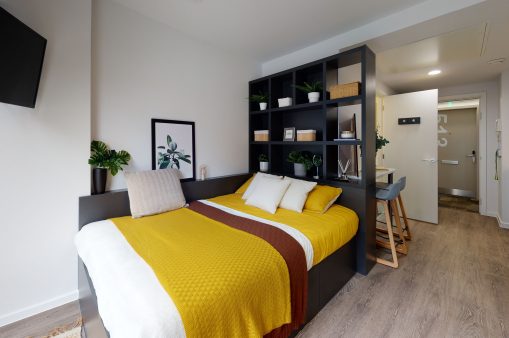
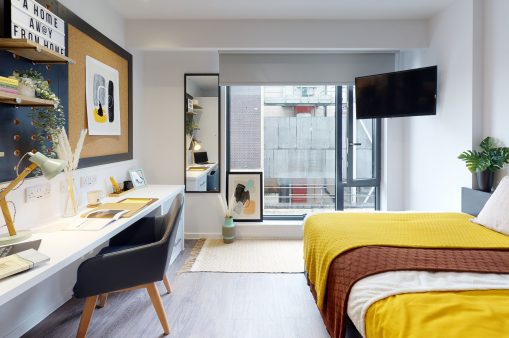
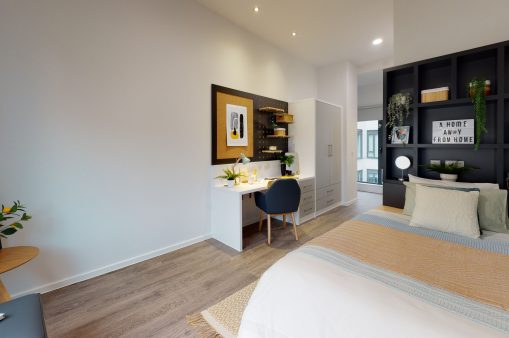
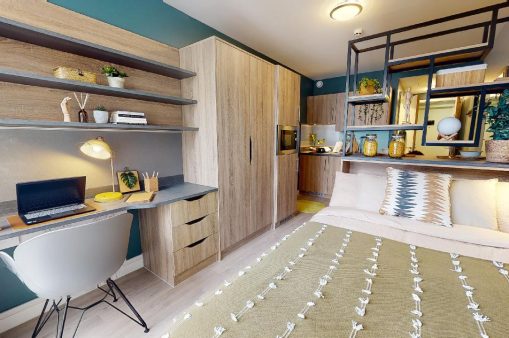
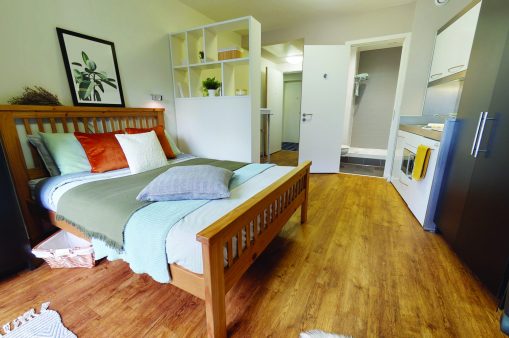
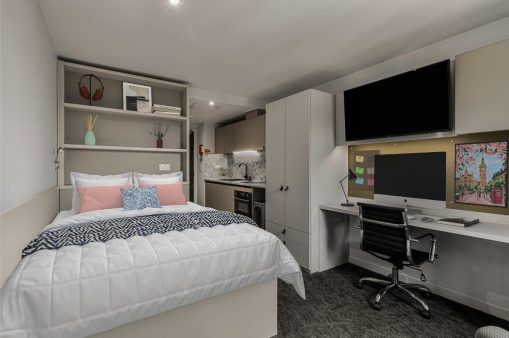
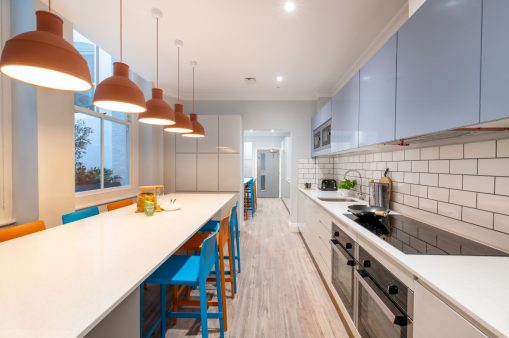
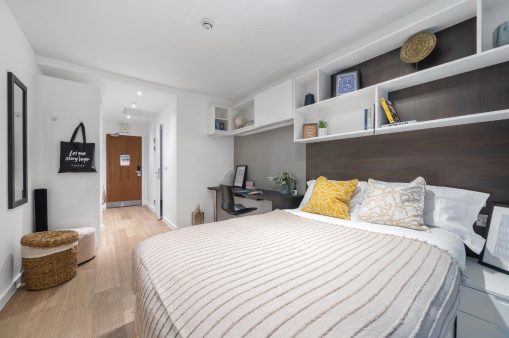
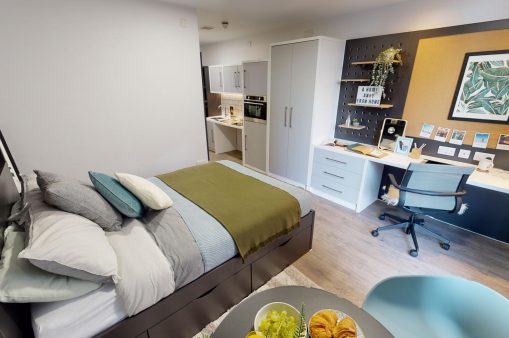
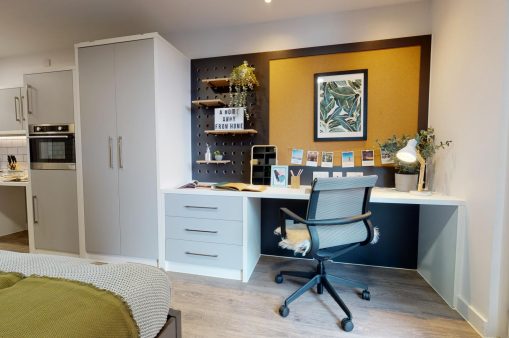
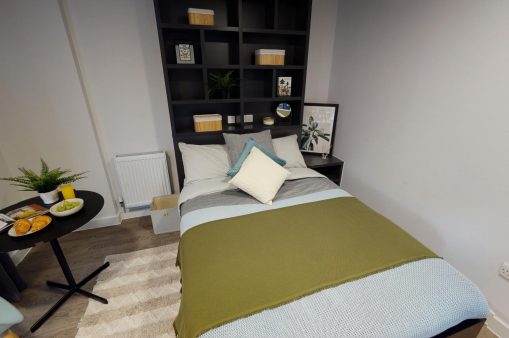
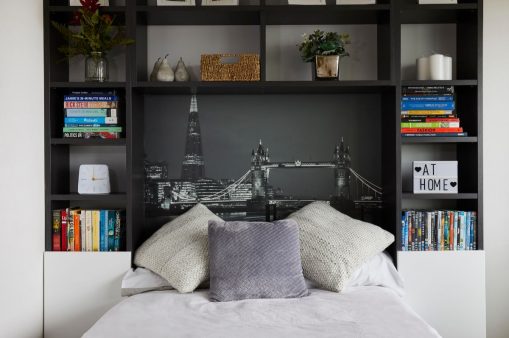
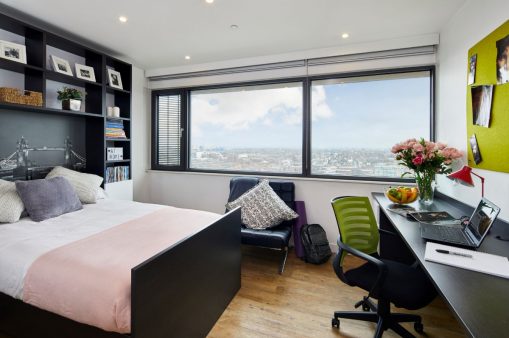
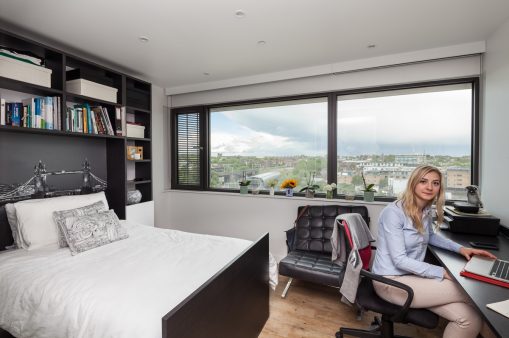
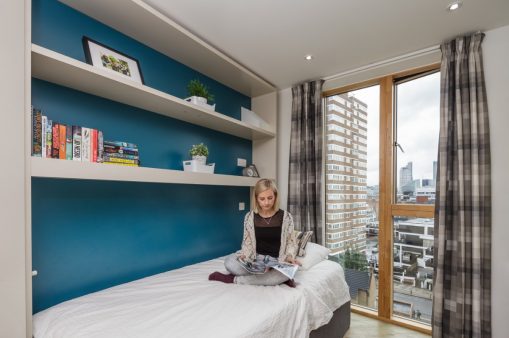
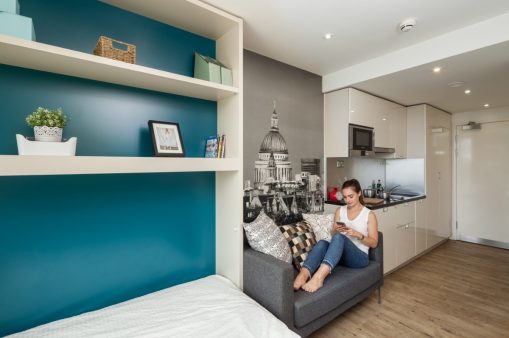
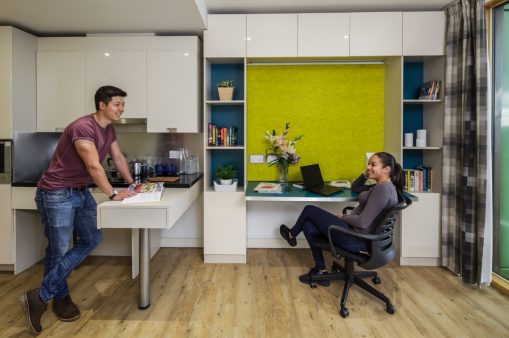
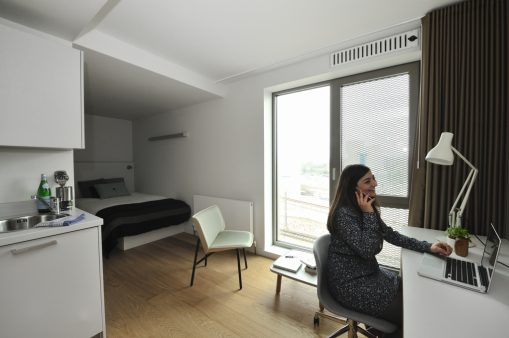
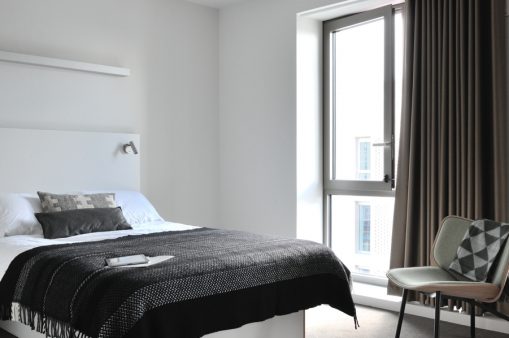
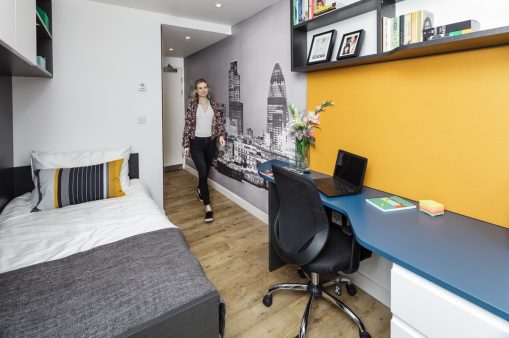
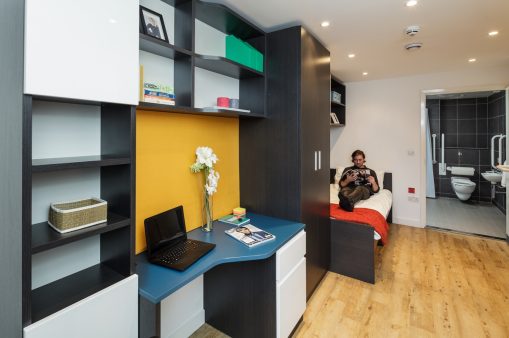
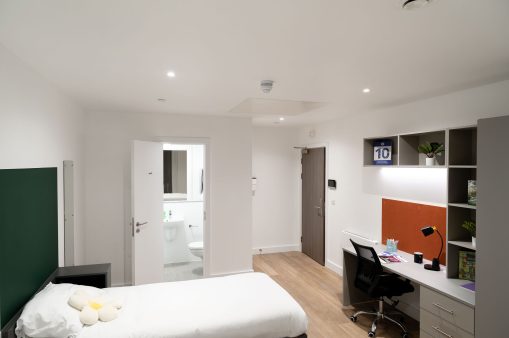
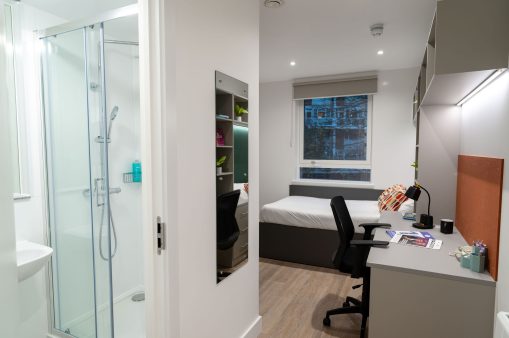
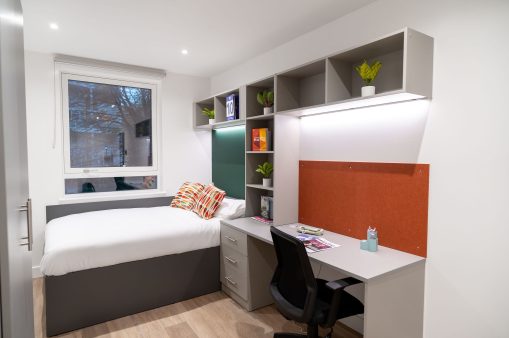
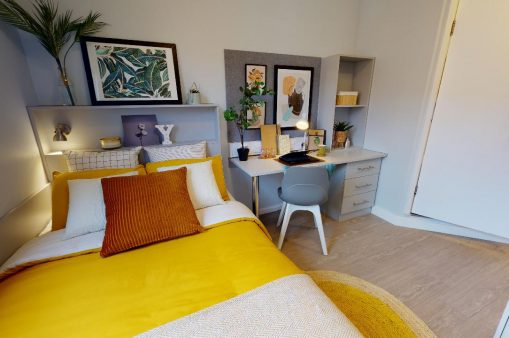
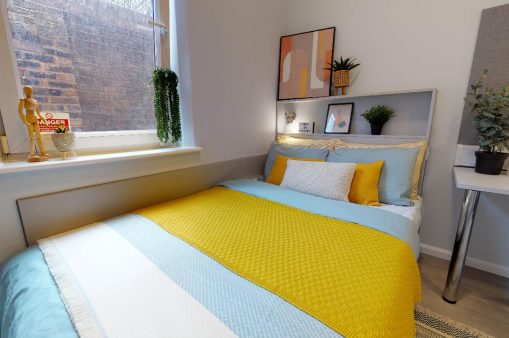
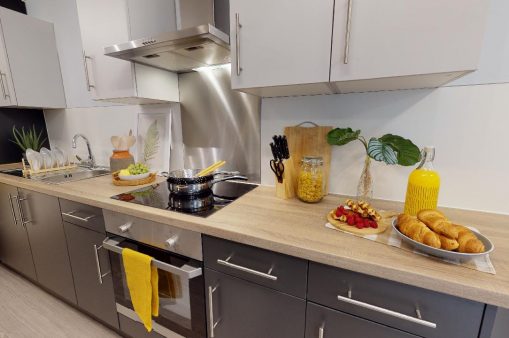
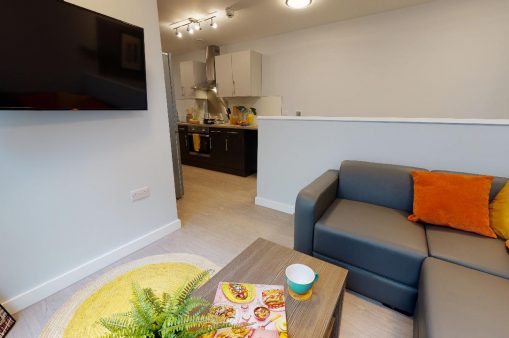
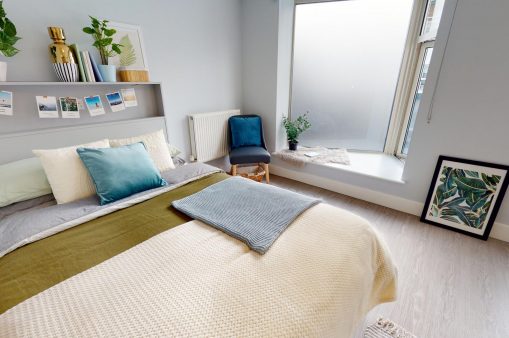
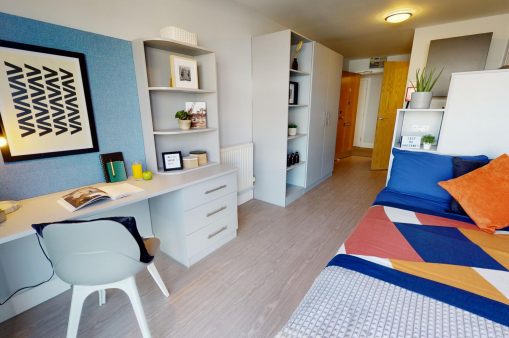
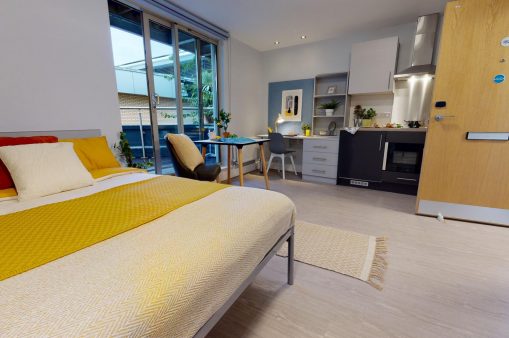
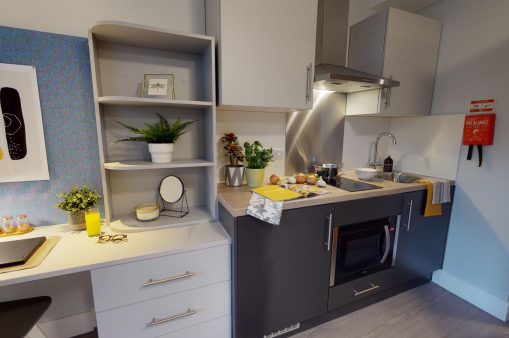
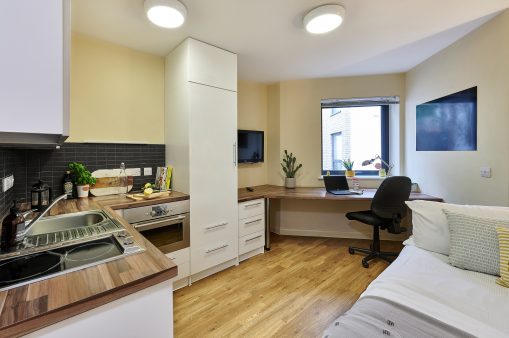
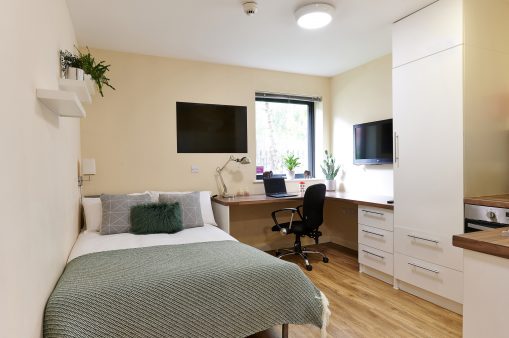
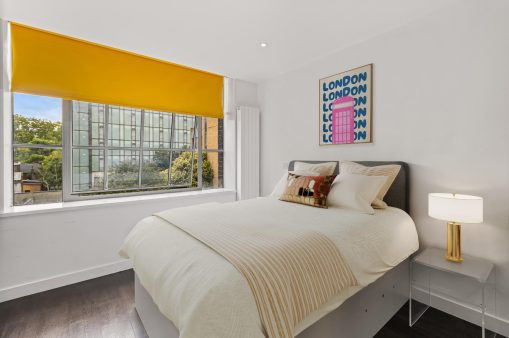
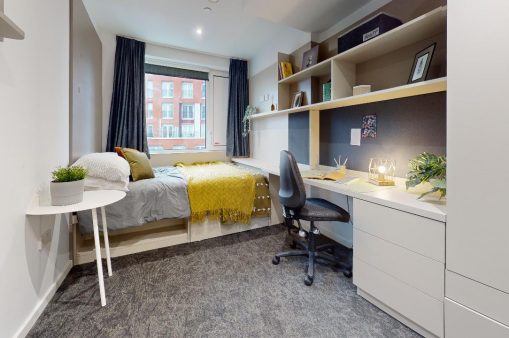
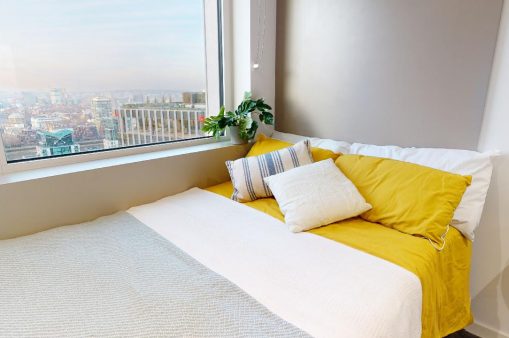
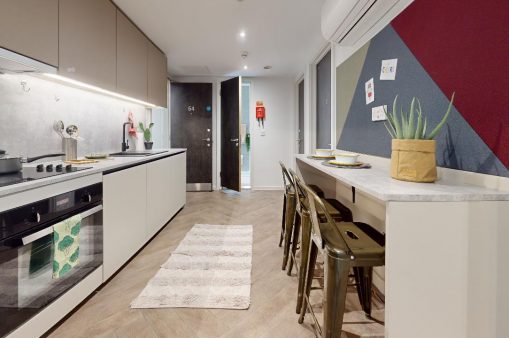
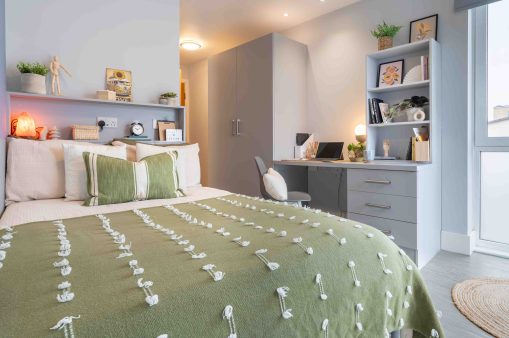
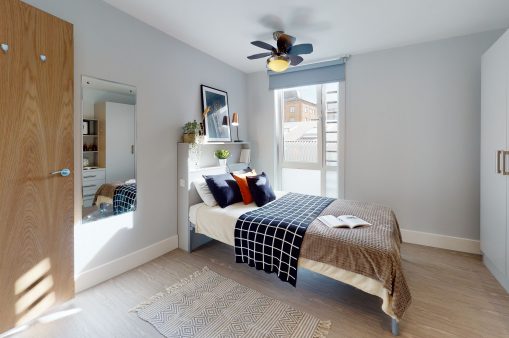
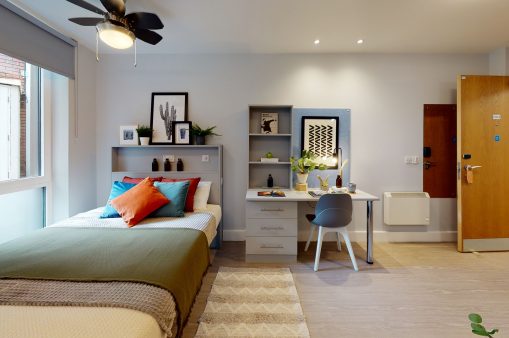
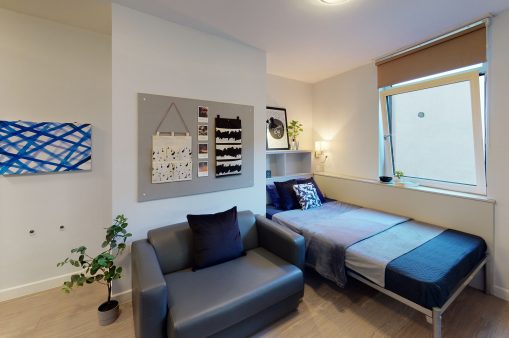
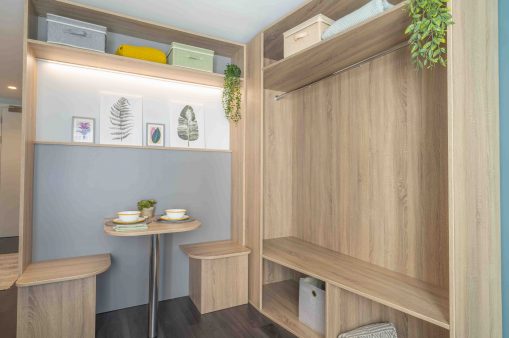
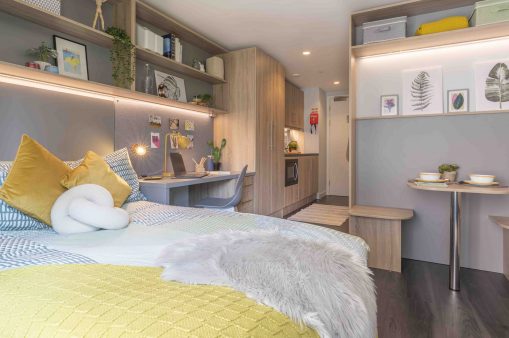
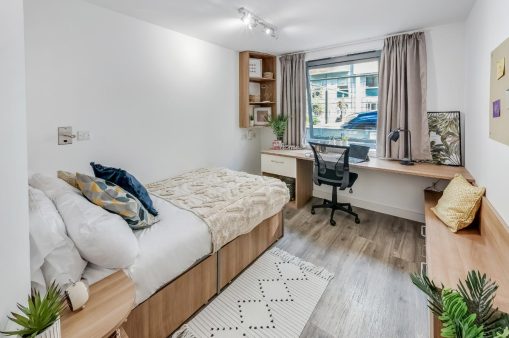
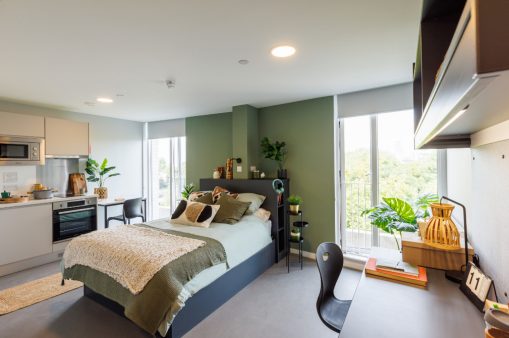
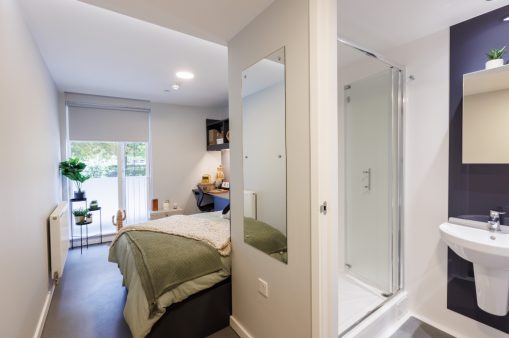
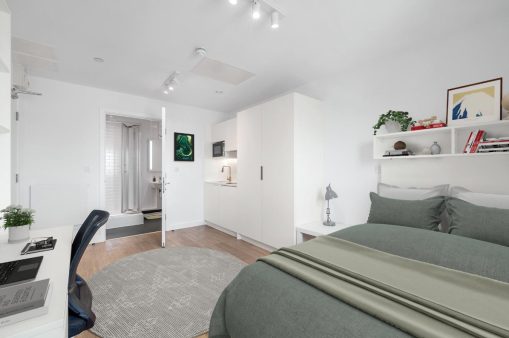
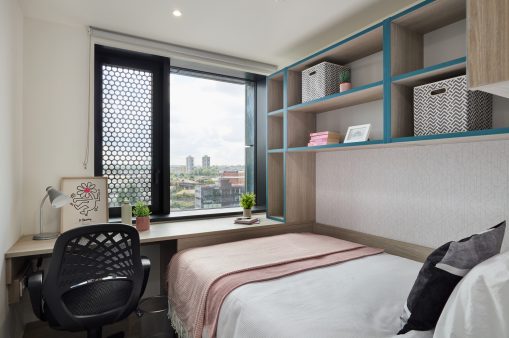
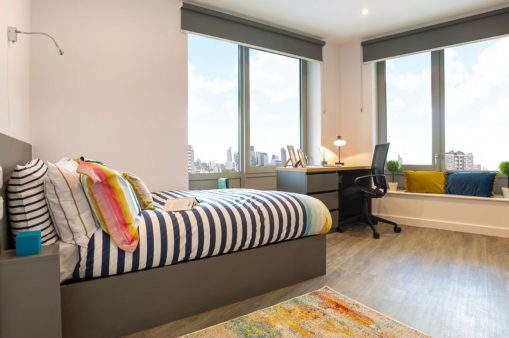
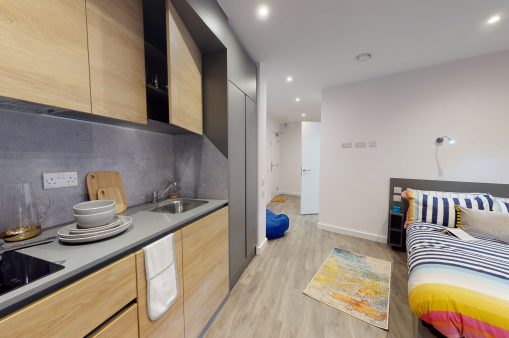
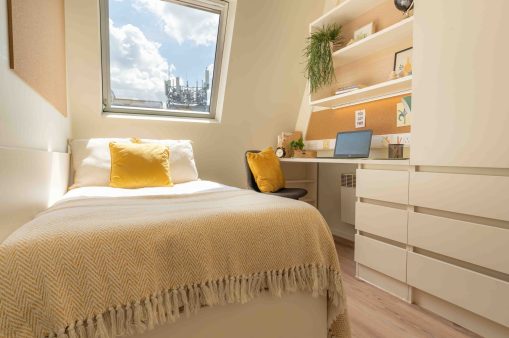
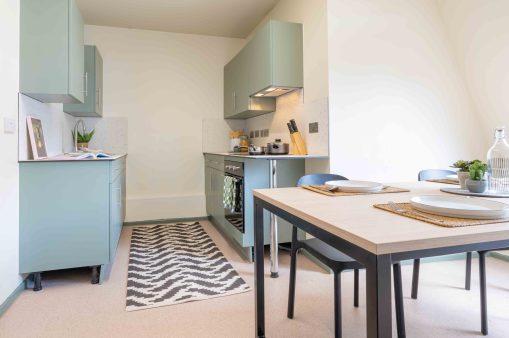
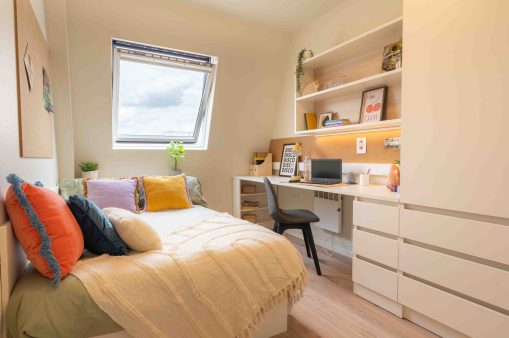
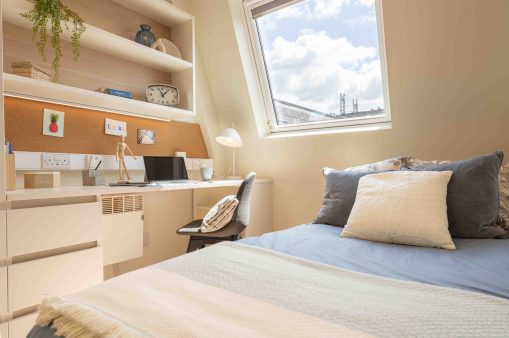
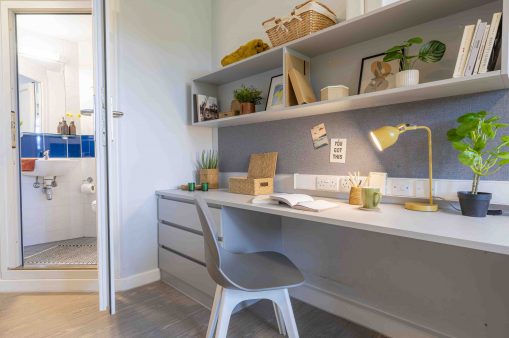
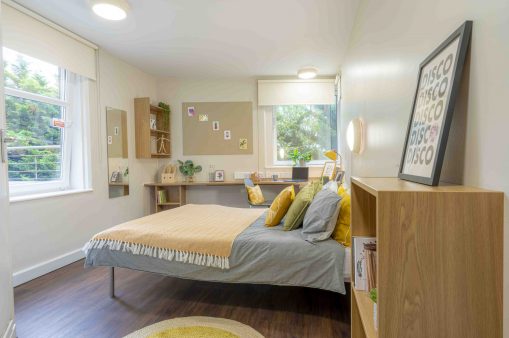
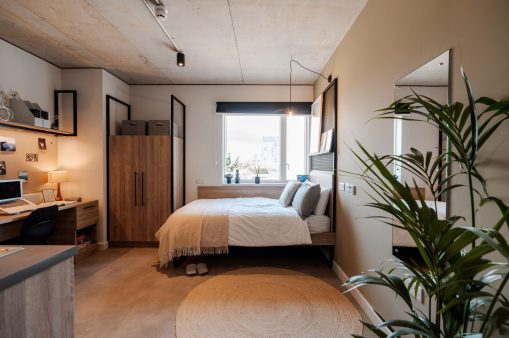
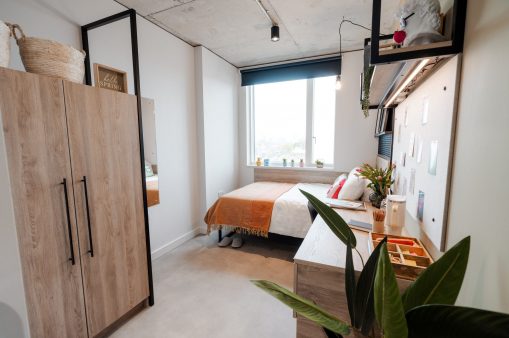
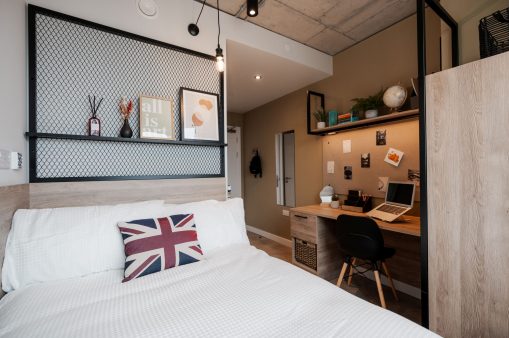
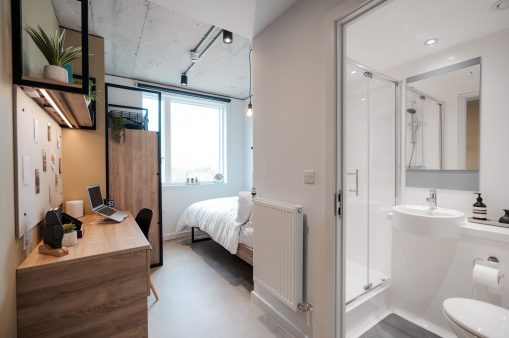
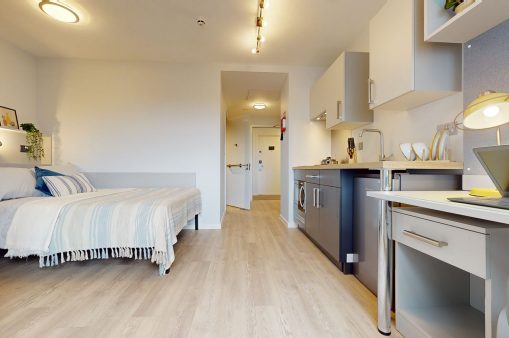
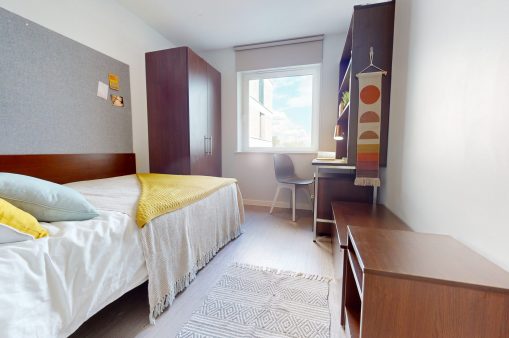
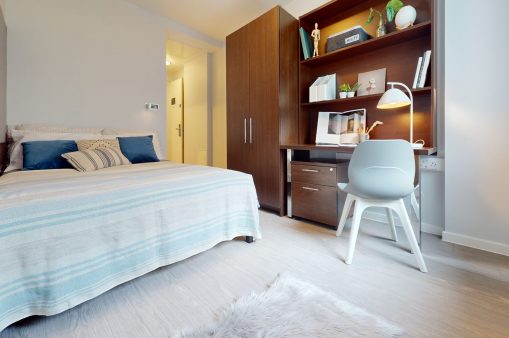
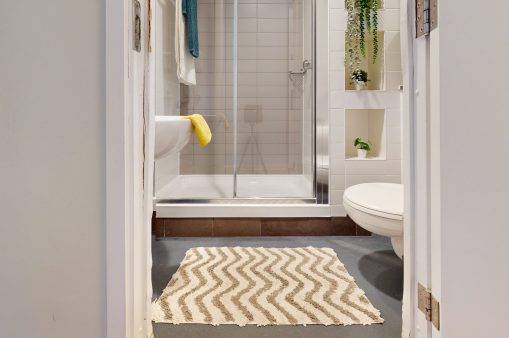
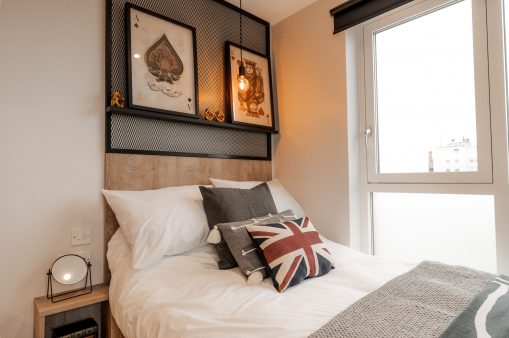
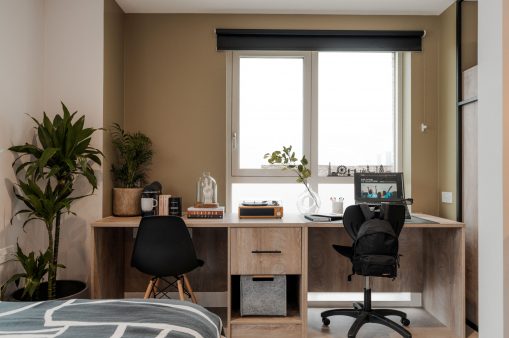
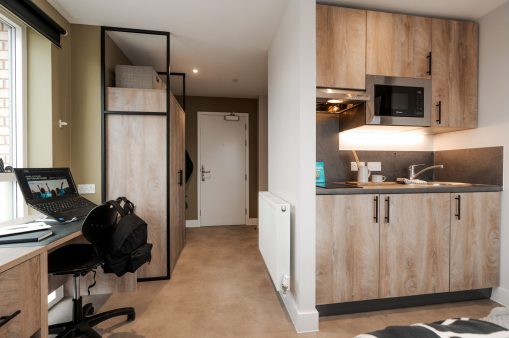
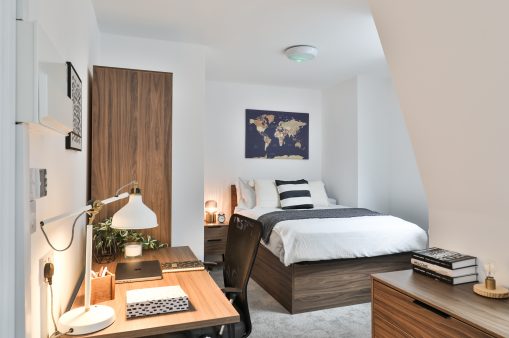
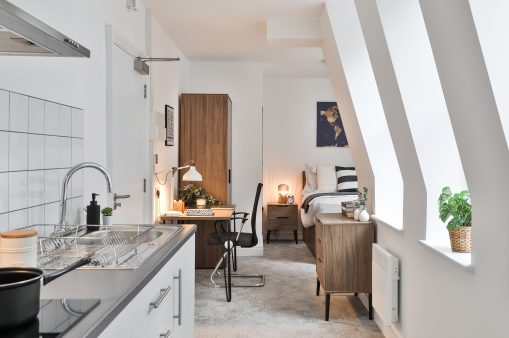
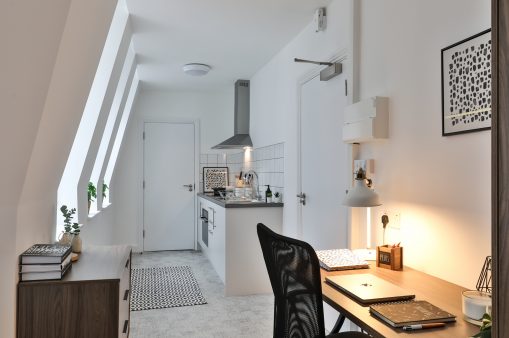
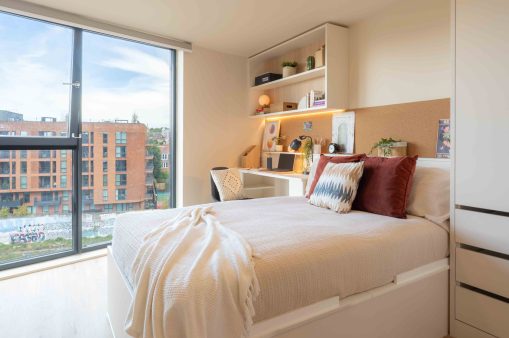
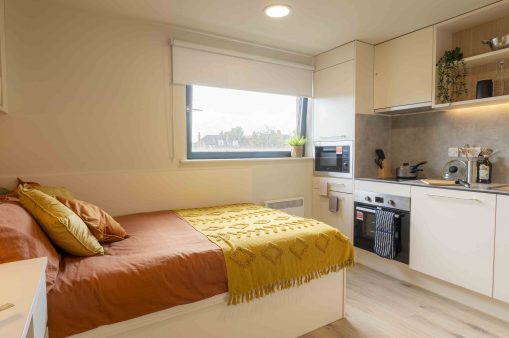
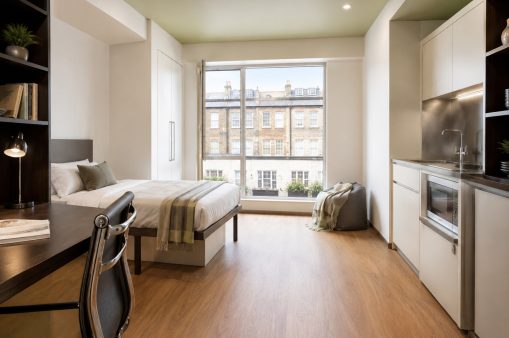
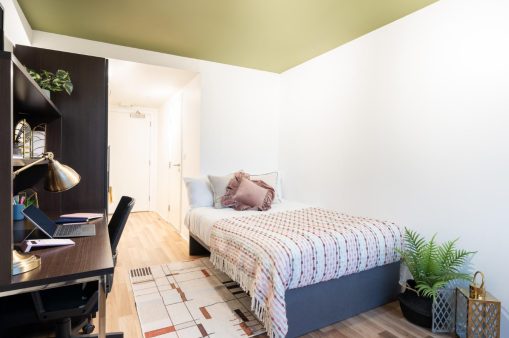
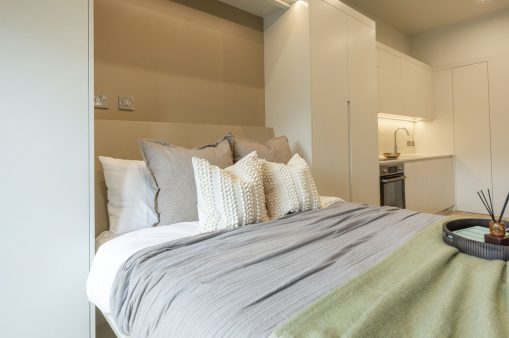
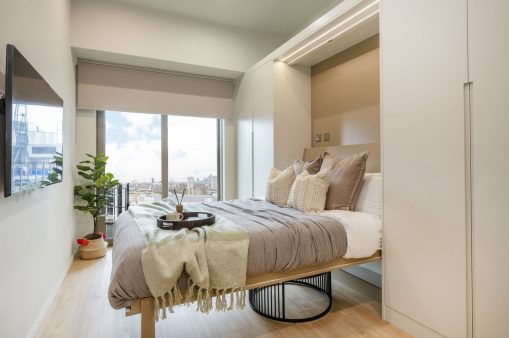
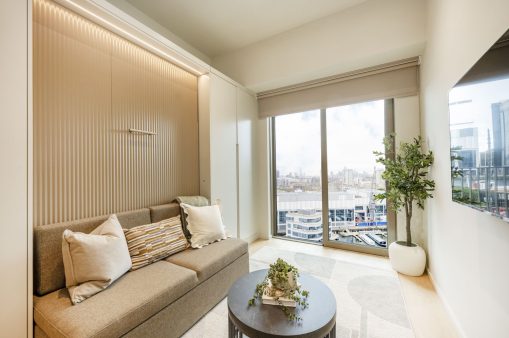
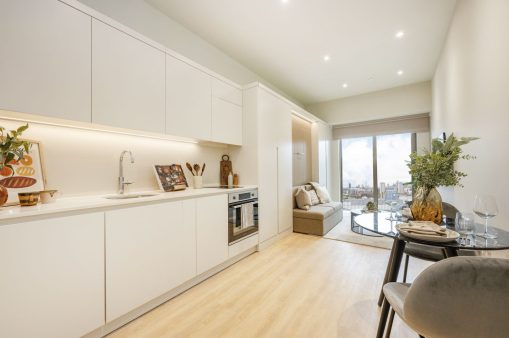
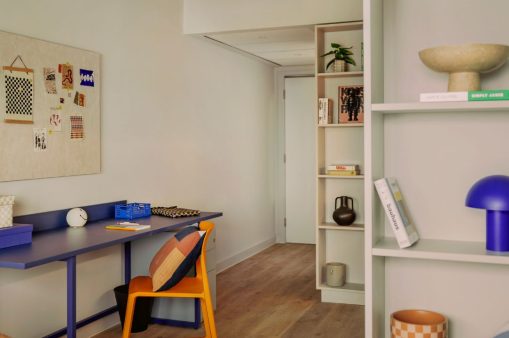
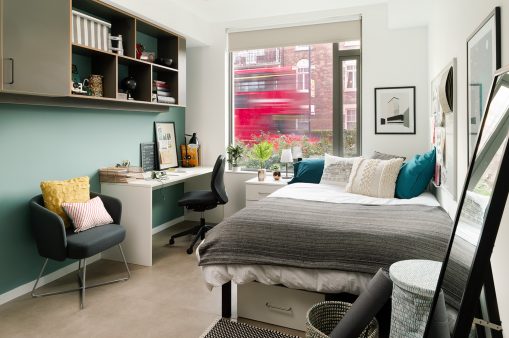
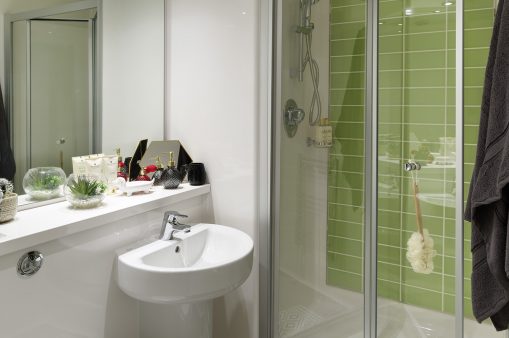
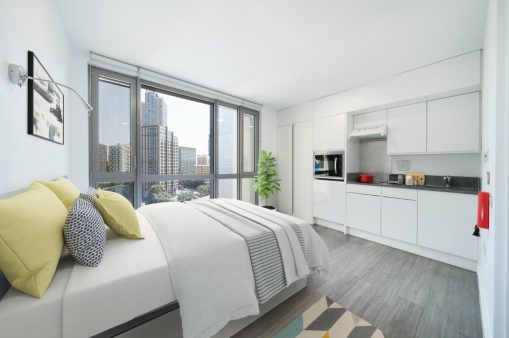
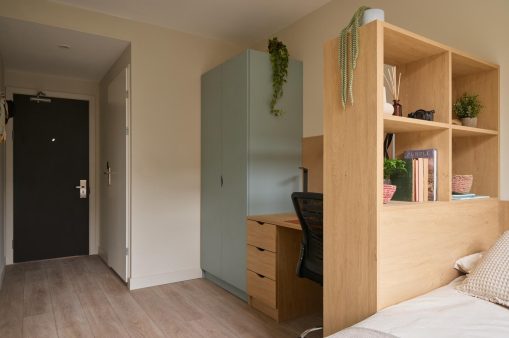
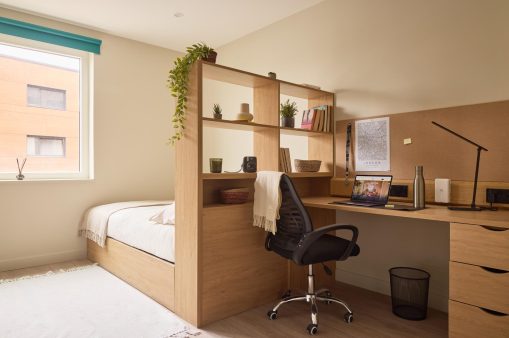
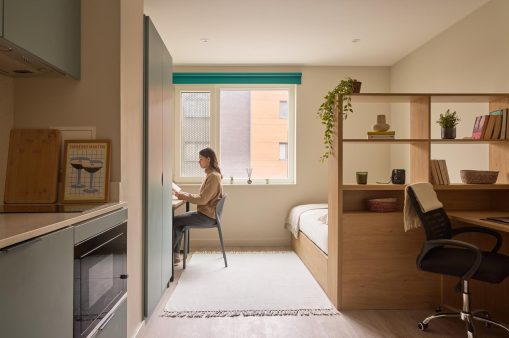
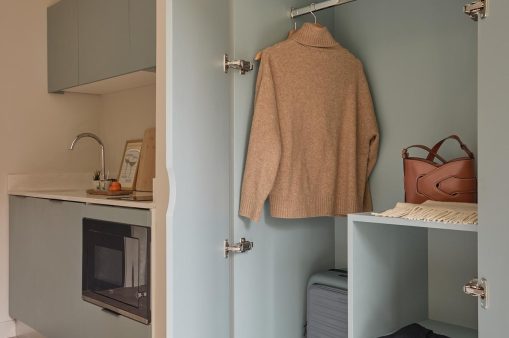
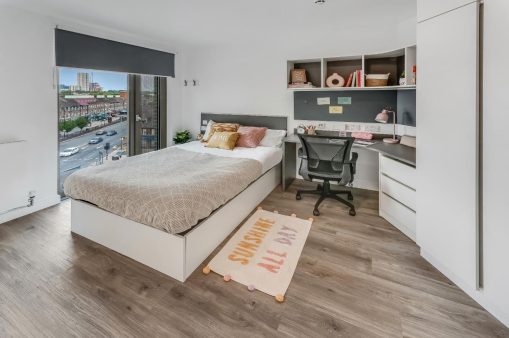
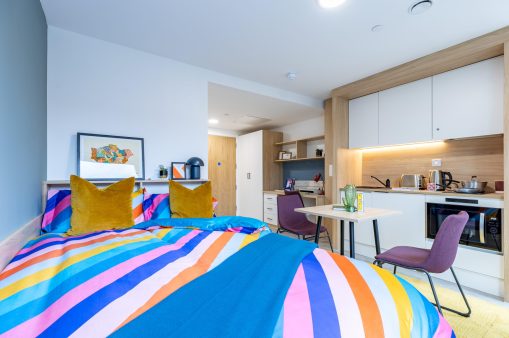
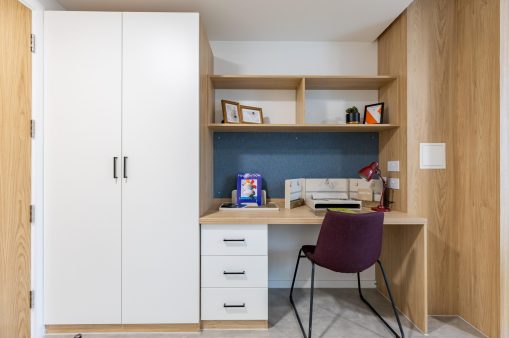
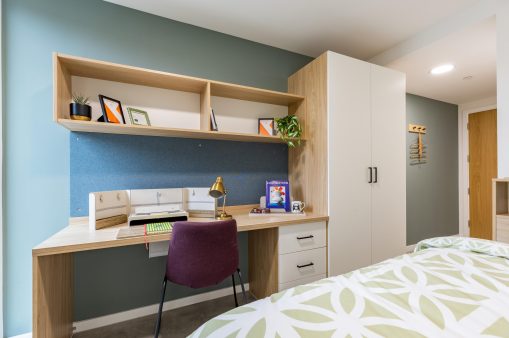
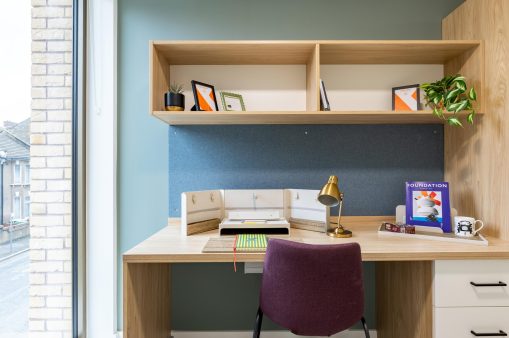
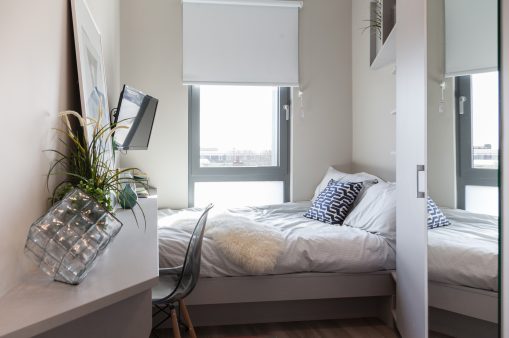
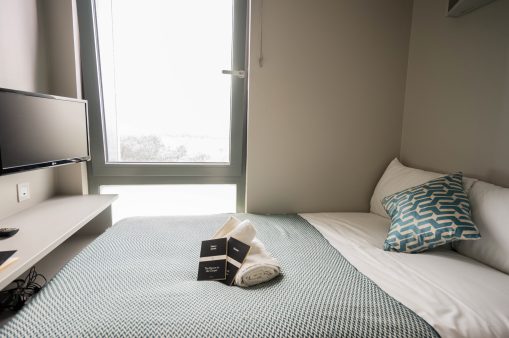
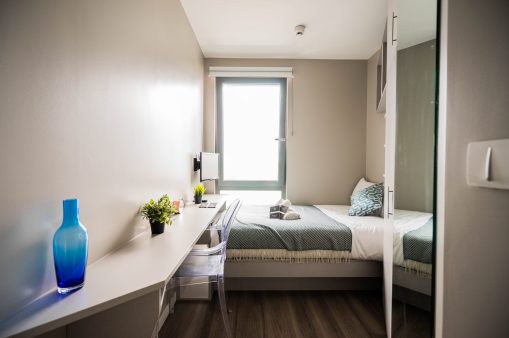
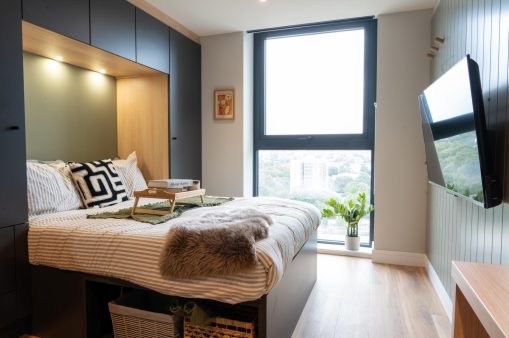
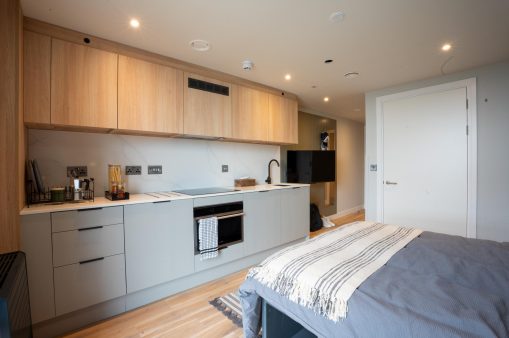
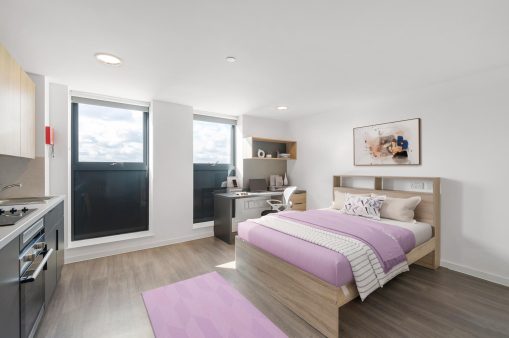
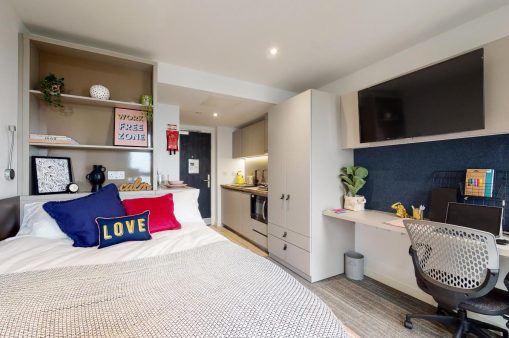
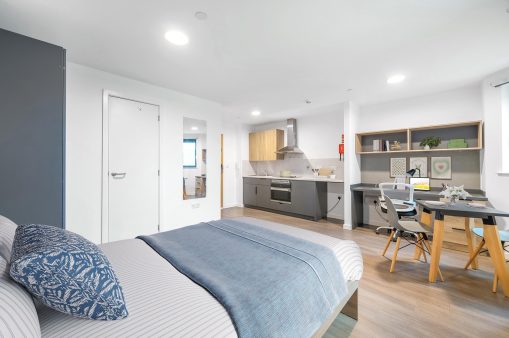
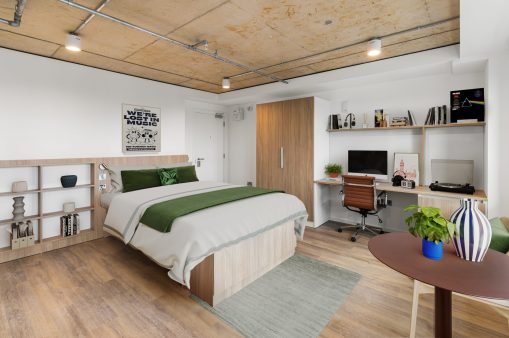
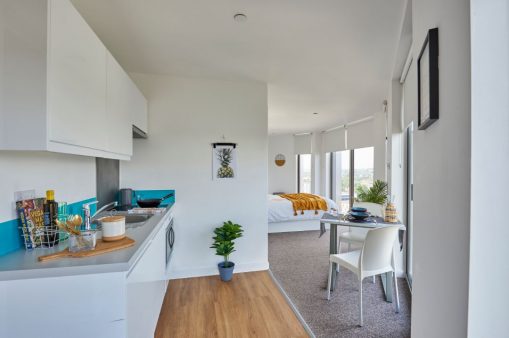
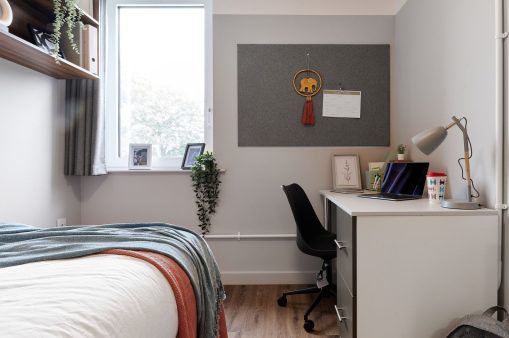
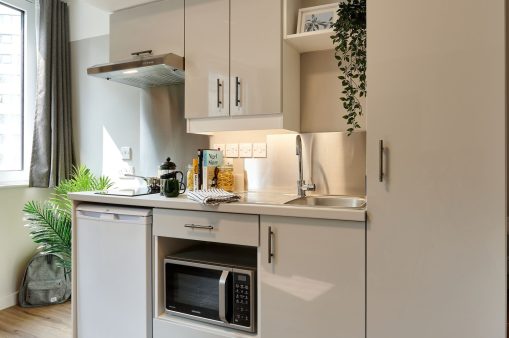
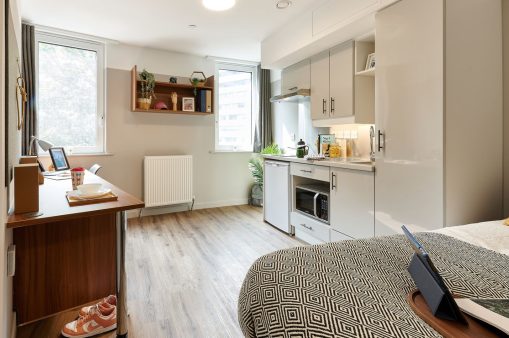
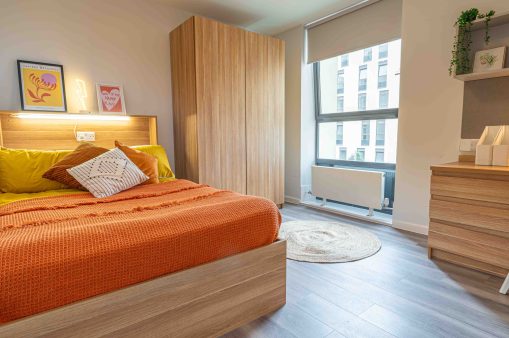
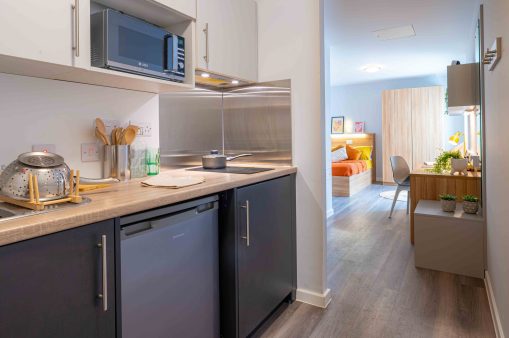
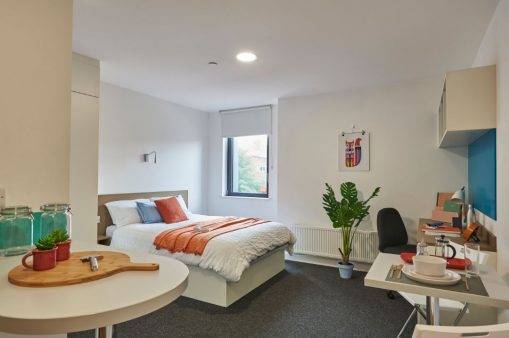
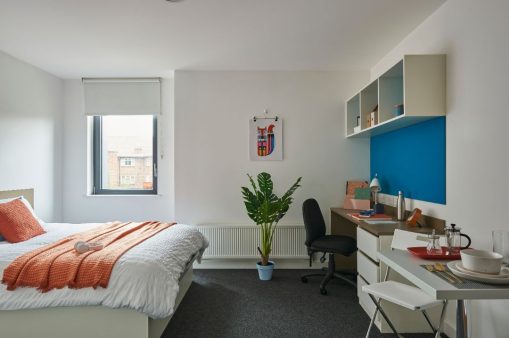
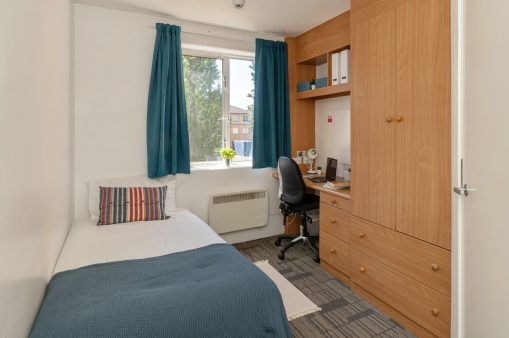
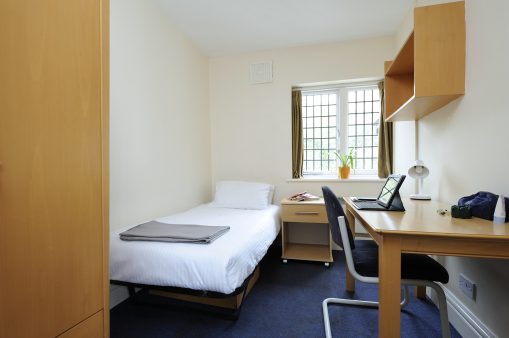
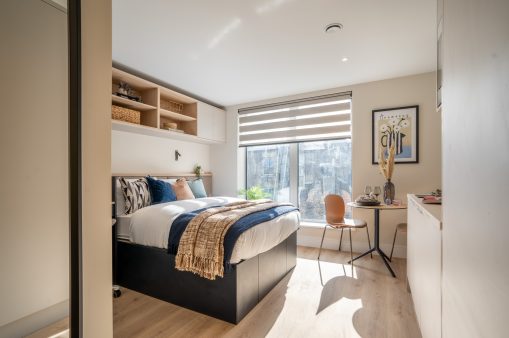
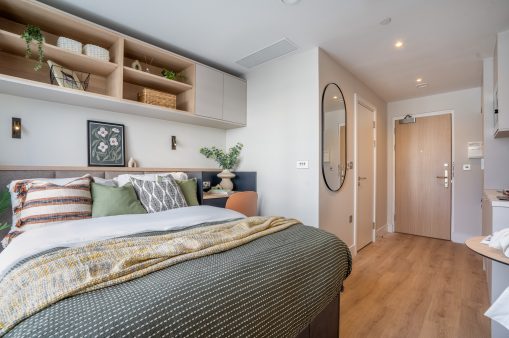
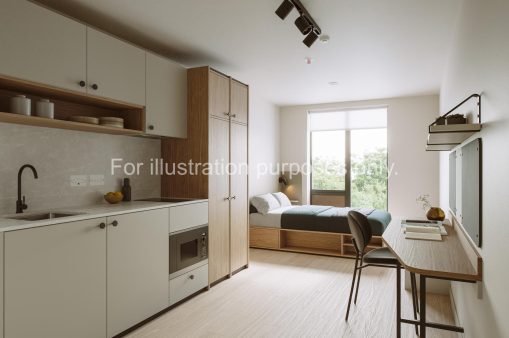
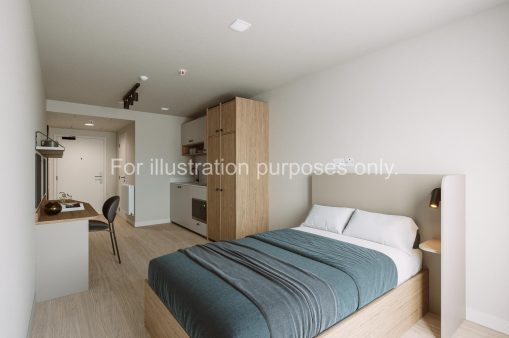
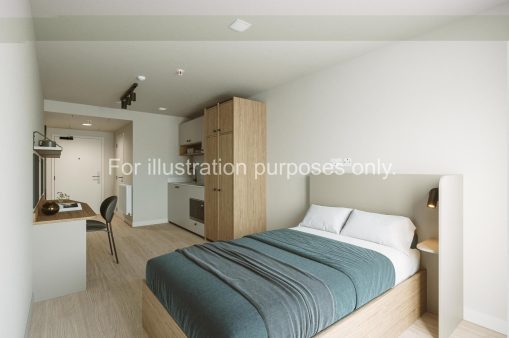
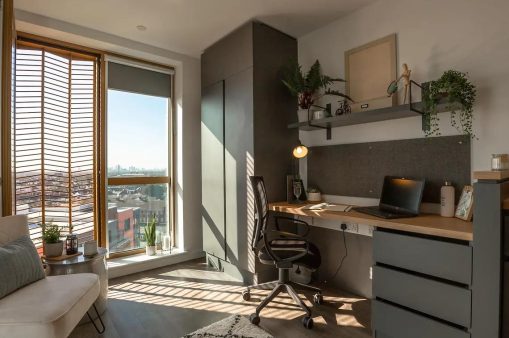
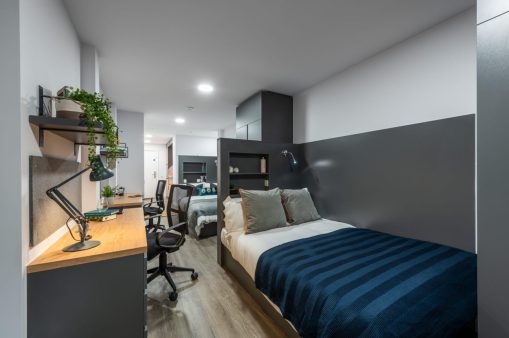
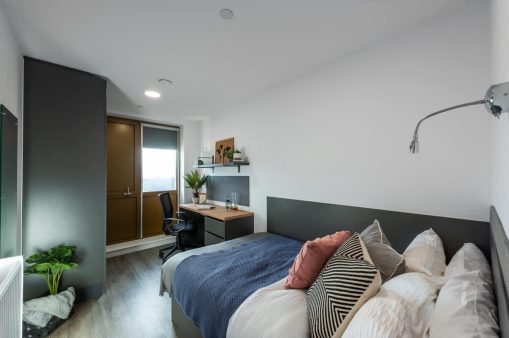
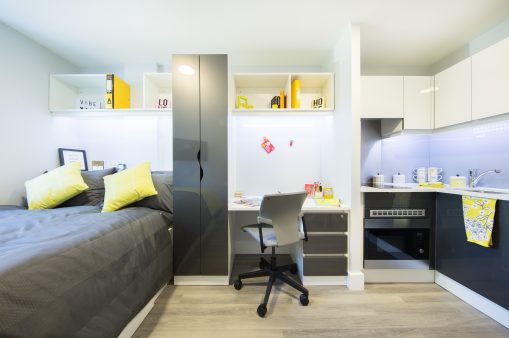
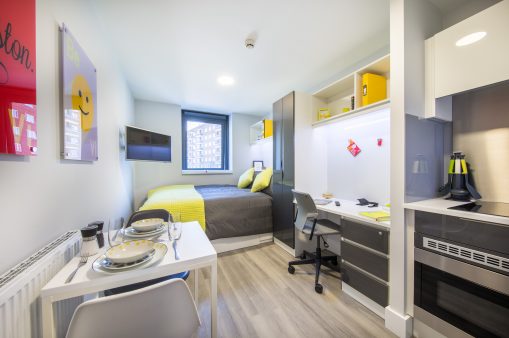
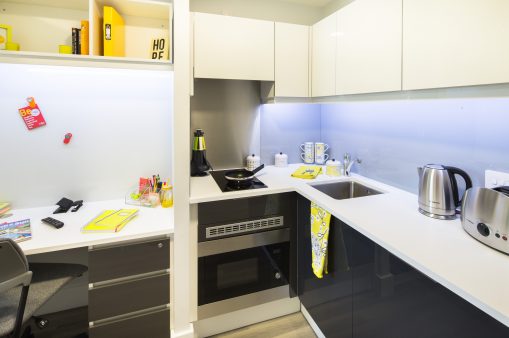
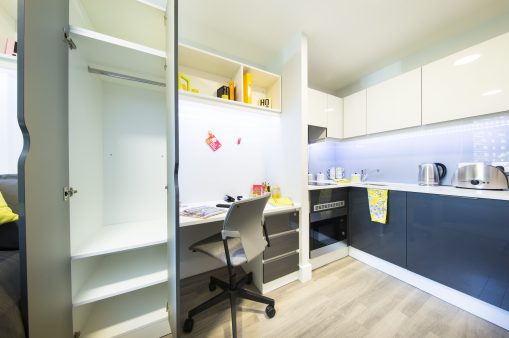
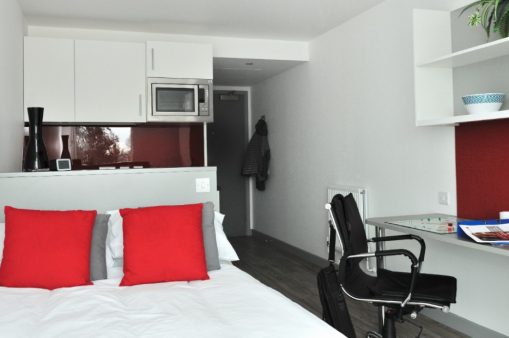
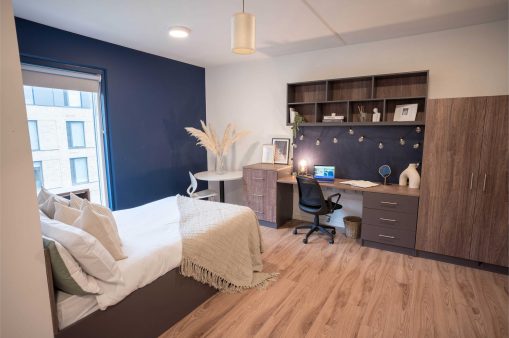
Room types fall into a few clear bands. En-suite rooms give you a private bathroom while you share a kitchen with a handful of flatmates, which is the sociable middle option. Studios include a bed, bathroom and kitchenette in one self-contained room, and they make up most of the LSE-area listings, which fits the large postgraduate population here. Shared flats with a communal kitchen sit at the lower end of the price scale. Studios and en-suites go quickly near campus, so book the cheaper studios early.
Contracts, deposits and guarantors
Contract lengths are worth matching to your course before anything else. Undergraduate-style lets often run around 44 weeks, but the 50- and 51-week contracts common in this area suit twelve-month masters programmes and anyone staying in London over the summer for an internship. Read the start and end dates rather than assuming an academic-year pattern.
There are also legal limits on deposits and fees. Under the Tenant Fees Act 2019, a security deposit on most tenancies is capped at five weeks’ rent where the annual rent is under £50,000, and a holding deposit to reserve a room cannot exceed one week’s rent. Booking, referencing and admin fees are banned. Many providers ask for a UK-based guarantor; if you cannot supply one, which is a common situation for international students, services such as Housing Hand act as a paid guarantor, and some operators including iQ and Yugo run their own schemes that accept an overseas guarantor instead. Full-time students are also exempt from Council Tax, which applies everywhere: a household where everyone is a full-time student does not pay it, per GOV.UK, though you may need to send your council a student certificate to claim the exemption. Budget for a TV Licence separately if you watch live television or use BBC iPlayer, which costs £180 a year from 1 April 2026, according to GOV.UK.
Student life near LSE
Living this centrally puts much of London within walking distance. Covent Garden, the South Bank, Soho and the British Museum are all walkable from the Holborn streets, and the riverside walk from Waterloo to Bankside takes in the Tate Modern, the National Theatre and the food markets along the way. LSE itself runs an unusually active students’ union with over 250 societies, sports clubs and media groups based at the Saw Swee Hock Student Centre on Sheffield Street, with more than 2,300 students competing across its 40-plus sports clubs, so you will have plenty going on nearby, wherever you choose to live. The main compromise of central student living is space and quiet versus convenience and atmosphere, and for many students here the atmosphere is exactly what they wanted.
LSE student accommodation FAQs
How much does LSE accommodation cost?
Right now, private student accommodation near LSE runs from £179.00 to £699.00 a week, with an average around £352.31. For context on the wider market, the HEPI/Unipol Priced Out? London report of December 2024 found the average annual London PBSA rent had reached £13,595 in 2024/25, slightly above the £13,348 maximum maintenance loan and leaving a shortfall of £247, after an 18% rise over two years. Booking early and looking slightly out from campus are the two reliable ways to land at the lower end of the range.
Where is LSE's campus and which areas are closest?
LSE’s campus is in Holborn, in the West End, occupying around 30 buildings between Kingsway and Aldwych in the WC2 postcode, with Holborn Underground station at the top of Kingsway. The closest private bases are in Holborn and High Holborn itself, then Clerkenwell, Farringdon and Bloomsbury within a short walk, and the riverside strip from Waterloo to Bankside just across the Thames. LSE Holborn accommodation, in other words, means the streets immediately around Houghton Street.
What does "bills included" cover?
Where a room is advertised with bills included, the weekly rent typically wraps in electricity, heating, water and broadband, and often contents insurance too. The exact list varies by operator, so check each property page to confirm what is and is not covered before you book.
Do students pay Council Tax?
No. A household where everyone is a full-time student is exempt from Council Tax, per GOV.UK. You may need to provide your local council with a student certificate from LSE to have the exemption applied.
What is the deposit cap?
Under the Tenant Fees Act 2019, the security deposit is capped at five weeks’ rent where the annual rent is below £50,000, and a holding deposit to reserve a room cannot exceed one week’s rent. Letting and admin fees are banned.
I'm an international student with no UK guarantor. What are my options?
Many providers ask for a UK-based guarantor, but you have routes if you do not have one. Paid guarantor services such as Housing Hand stand in as your guarantor for a fee, and some operators including iQ and Yugo accept an overseas-based guarantor through their own schemes. A number of buildings also let you pay rent upfront in instalments instead. Check each property’s policy before applying.
Can postgraduates book, and what are the options?
Yes. Postgraduates are well served here, which matters because LSE does not guarantee its own residences to postgraduate students. LSE postgraduate accommodation in the private sector skews toward studios and longer 50- and 51-week contracts that cover a twelve-month masters course, and postgraduates can book any of these properties directly without entering the university ballot.
Can first-year undergraduates book?
Yes. First years are welcome to book private student accommodation, though new undergraduates also have the option of a guaranteed LSE residence place in year one if they apply by the deadline. Comparing both is sensible before you commit.
How long are the contracts?
Lengths vary by building, from single-term short stays up to 51 weeks. Around 44 weeks is common for an academic-year let, while 50- and 51-week contracts suit masters students and anyone staying through the summer. Always read the specific dates on the property page.
What are the differences between room types?
En-suite rooms give you a private bathroom and a shared kitchen with flatmates. Studios are self-contained with your own kitchenette and bathroom. Shared flats with a communal kitchen sit at the lower end of the price scale. Studios are the most plentiful around LSE because of the large postgraduate population.
Is student accommodation near LSE safe?
Purpose-built student residences are designed with security in mind, and many offer key-fob entry, CCTV and on-site staff. You can filter the grid for security staff and key-fob access to see which buildings advertise these features.
What is the difference between private accommodation and LSE's own residences?
LSE’s own residences are allocated by the university and guaranteed to new first-year undergraduates who book in time, but not to postgraduates or returning students. Private student accommodation is run by independent operators and is bookable by any LSE student in any year, with a wider choice of locations and contract lengths. Many students use a university room in first year and move to private LSE accommodation afterward.
Which other central London universities are nearby?
LSE shares its central quarter with several institutions, so rooms here often suit students at more than one. King’s College London is a ten-minute walk south on the Strand, UCL is just north in Bloomsbury, City, University of London lies north-east towards Clerkenwell, and SOAS sits among the Bloomsbury squares. You can also browse everything live on the London hub.